Garden Design Ideas 2026: 44 Inspiring Outdoor Spaces for Modern American Homes
Garden design ideas for 2026 are all about blending emotion, sustainability, and everyday comfort. On Pinterest, Americans are saving gardens that feel personal, layered, and easy to adapt to real life. This year’s trends lean less toward perfection and more toward spaces that grow with you. Below, you’ll find visual-forward ideas that balance beauty, practicality, and inspiration.
1. Japanese-Inspired Zen Retreat
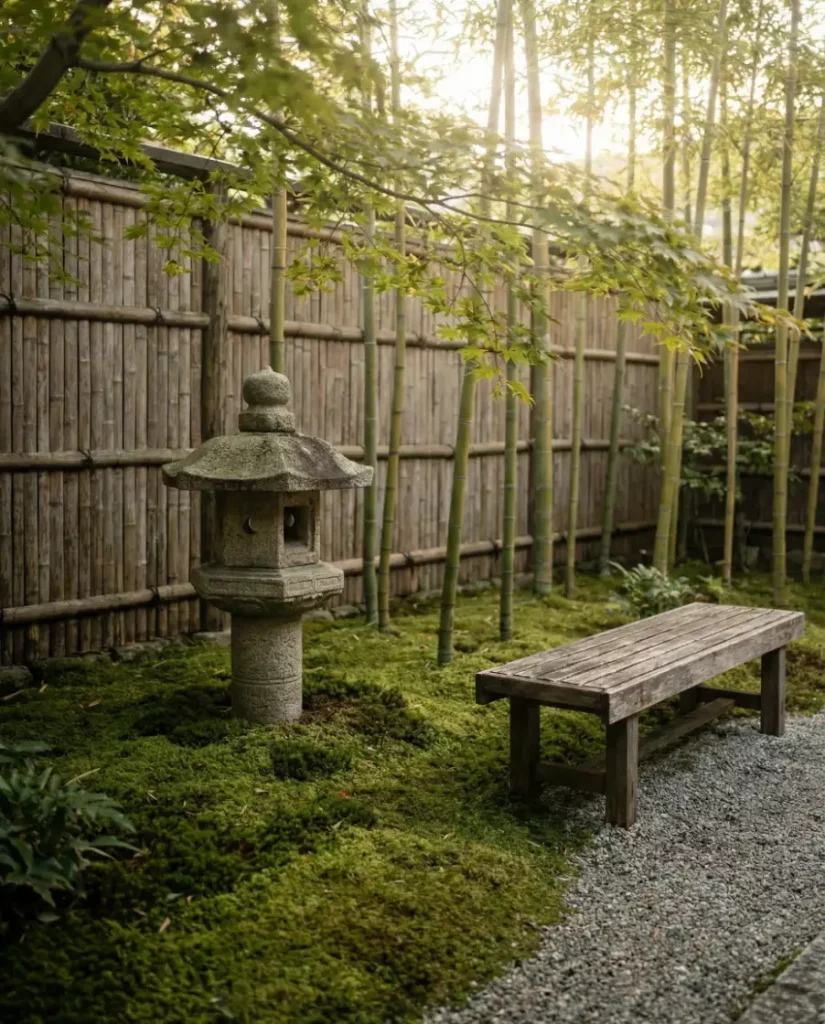
This calm, meditative garden style draws from Japanese and Zen traditions while adapting beautifully to American homes. Clean lines, gravel paths, and carefully placed stones create a sense of order, while moss, maple, and sculptural shrubs soften the look. It works especially well as a Layout for side yards or quiet corners where visual clutter is minimized.
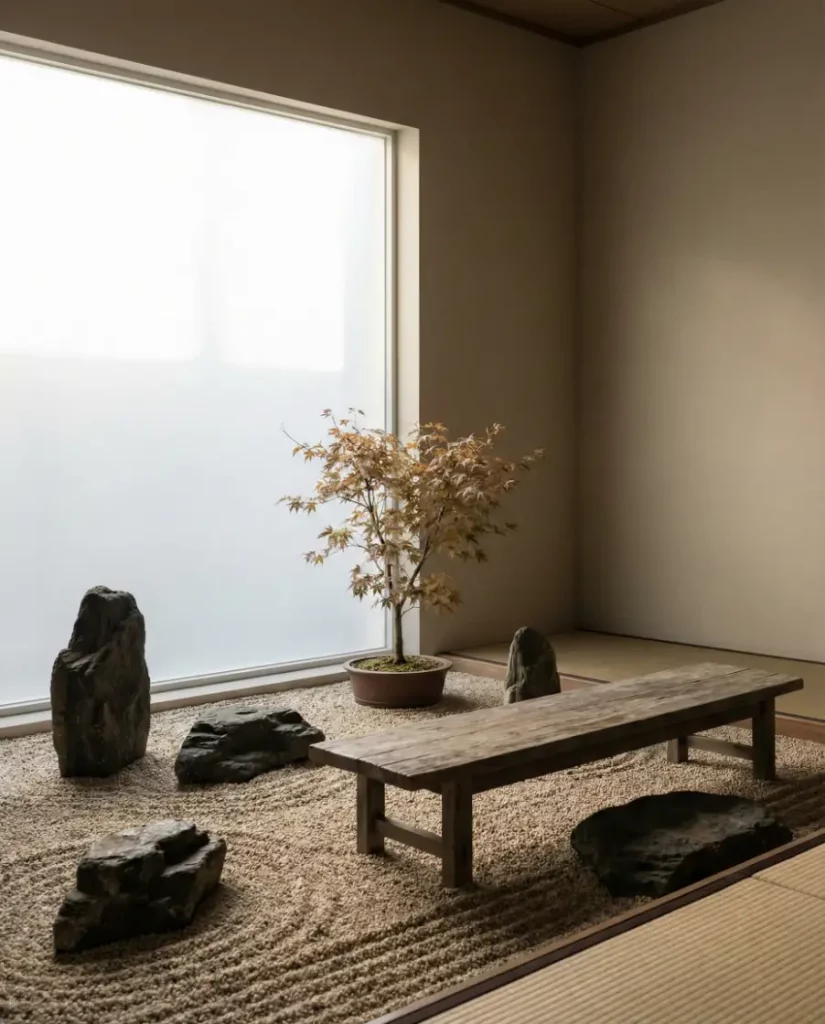
Where this style works best is in regions with mild climates like the Pacific Northwest or Northern California, where moss and shade-loving plants thrive naturally. Even in sunnier states, drought-tolerant substitutions can maintain the spirit without constant upkeep.
2. Modern Front Yard Refresh
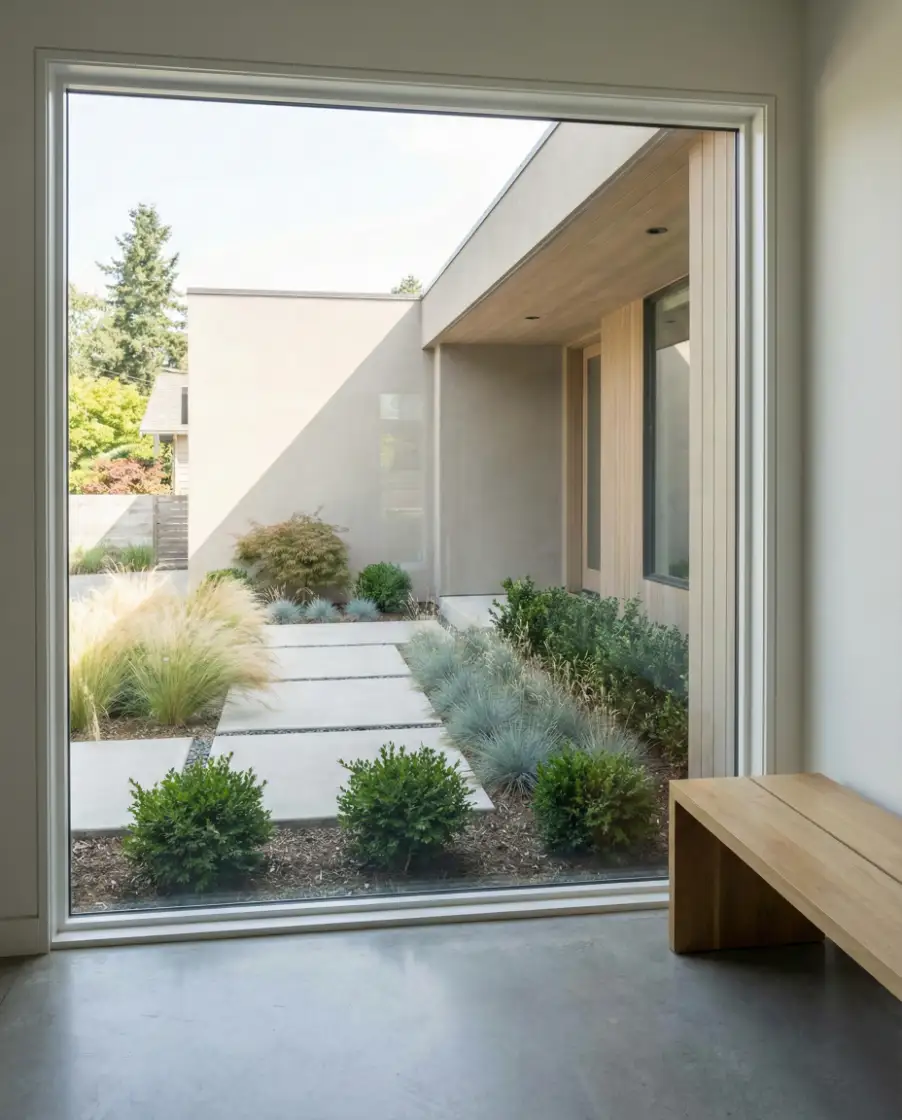
A Modern Front yard garden in 2026 focuses on curb appeal that feels intentional, not flashy. Think layered grasses, sculptural planters, and a restrained palette that complements contemporary architecture. This approach favors structure over excess, making it ideal for busy households that still want strong visual impact without constant maintenance.
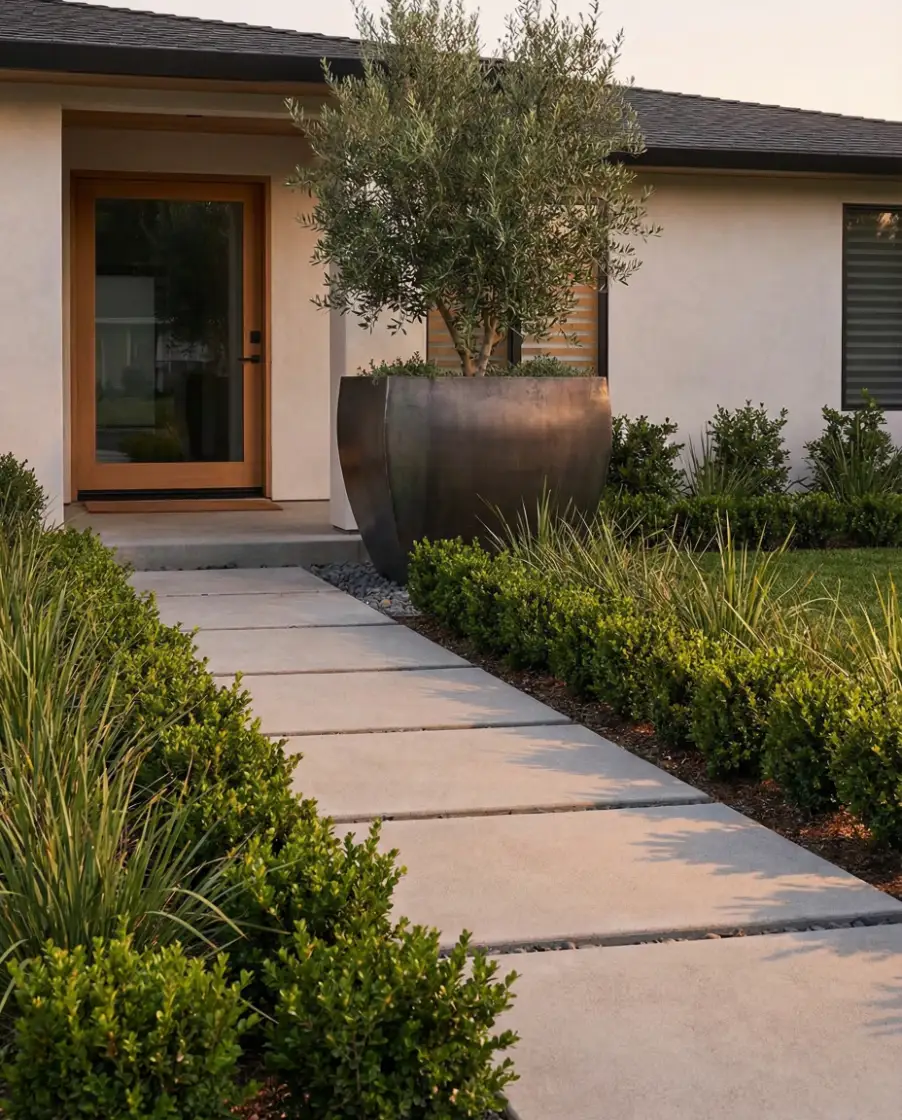
Landscape designers note that homeowners often overplant these spaces. The smartest move is leaving negative space so materials and forms can breathe, which also reduces long-term maintenance.
3. Cottage-Style Backyard Escape
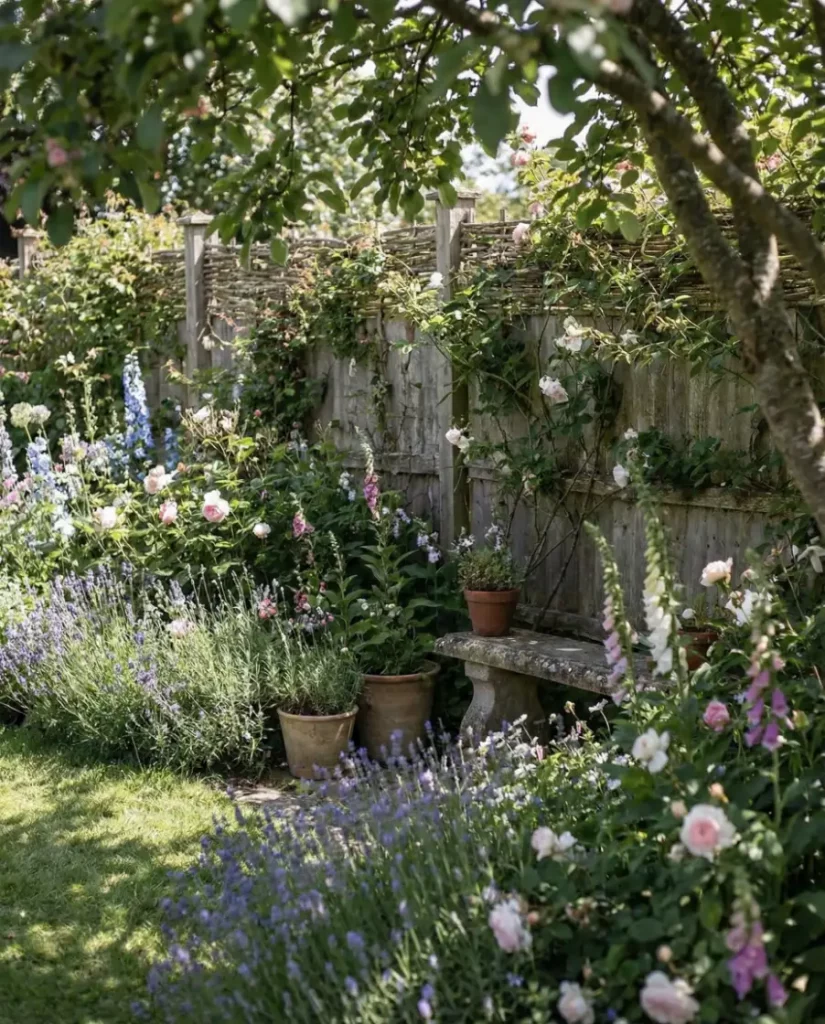
This romantic backyard leans into Cottage charm with loose borders, layered blooms, and winding paths. It’s perfect for a Backyard that’s meant to feel collected over time rather than designed all at once. Roses mingle with perennials, creating a soft, slightly wild look that still feels intentional.
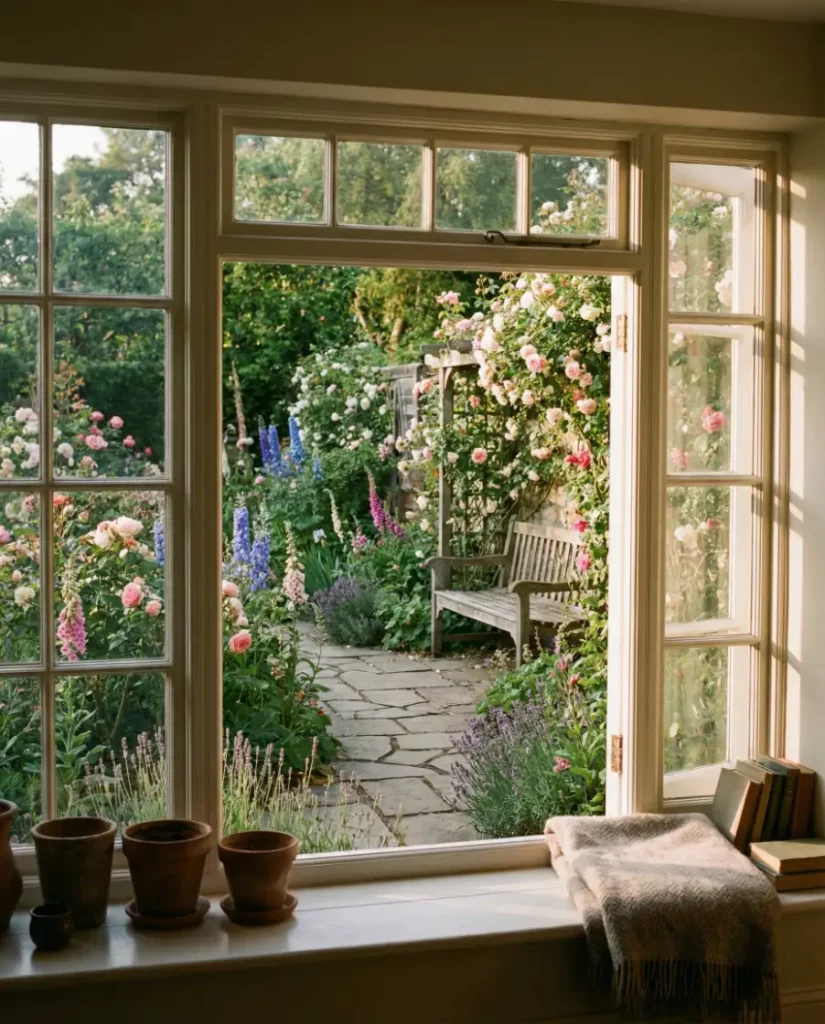
A homeowner once shared that the best part of this style is how forgiving it feels—missed pruning or uneven growth only adds to the charm rather than detracting from it.
4. Mediterranean-Inspired Patio Garden
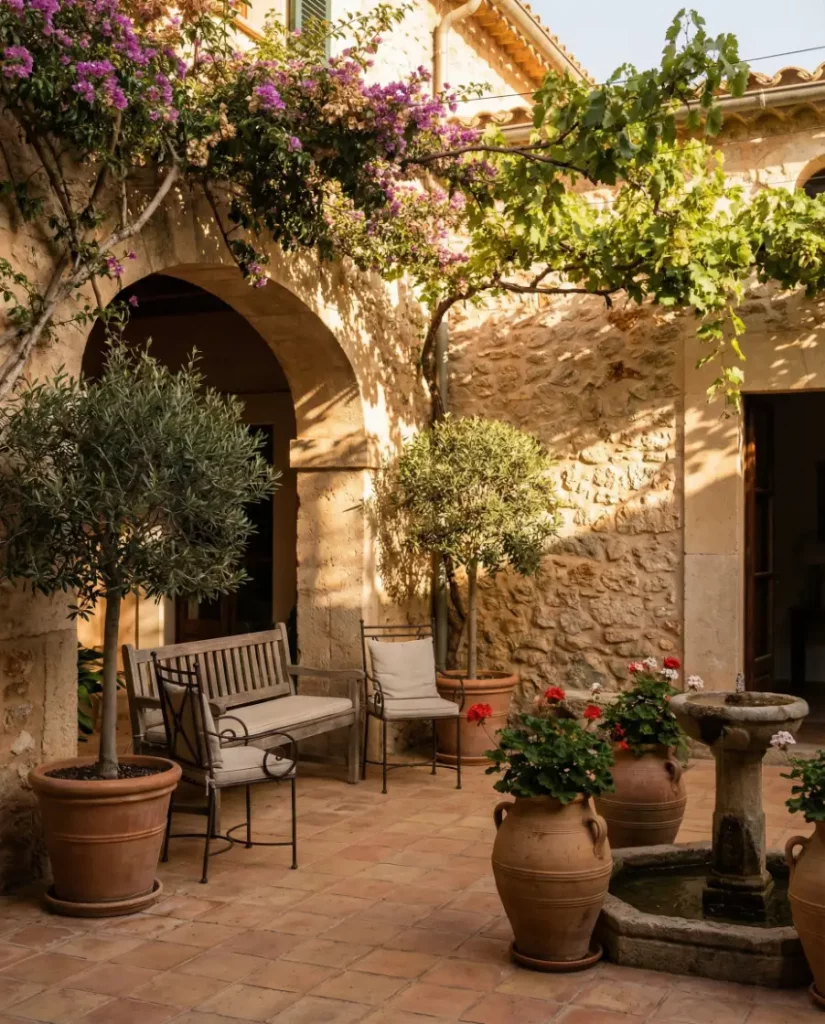
Mediterranean gardens are gaining traction across the U.S., especially in warmer states. Terracotta pots, olive trees, and gravel ground covers define this Mediterranean look, while shaded seating turns any Outdoor area into a social hub. It’s sun-loving, drought-aware, and endlessly relaxed.
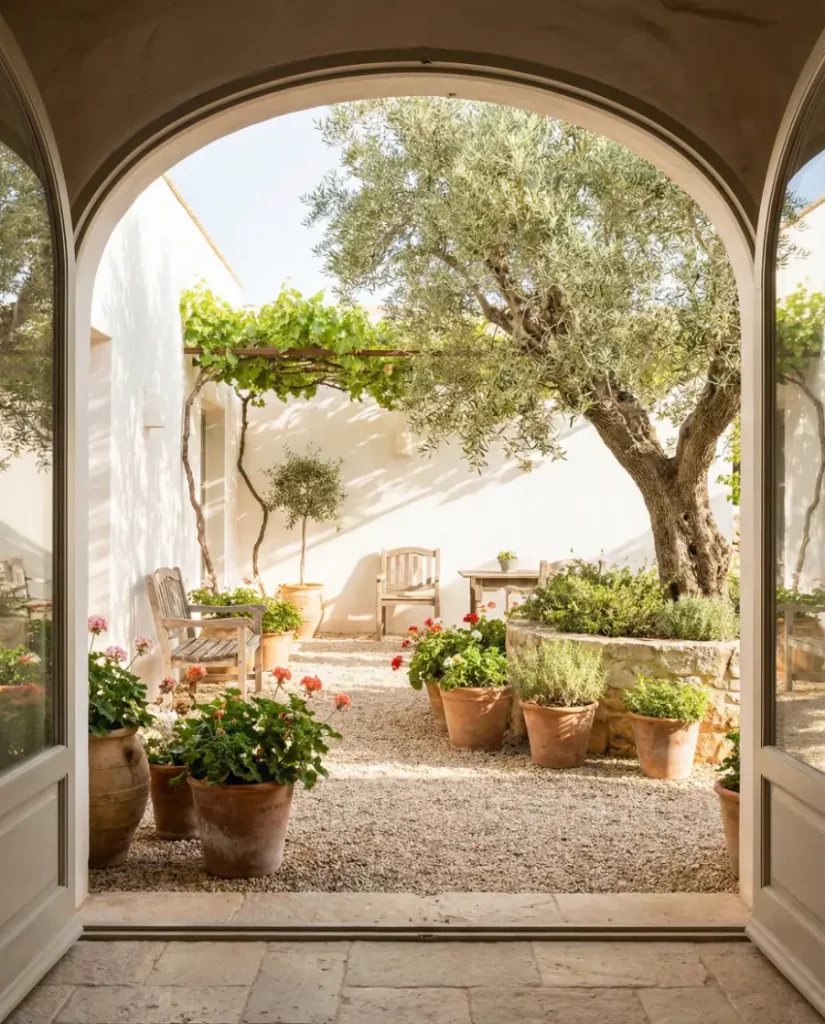
This style works best in dry climates like California, Arizona, and parts of Texas, where heat-tolerant plants thrive and watering needs stay low.
5. Fairy Garden for Creative Corners
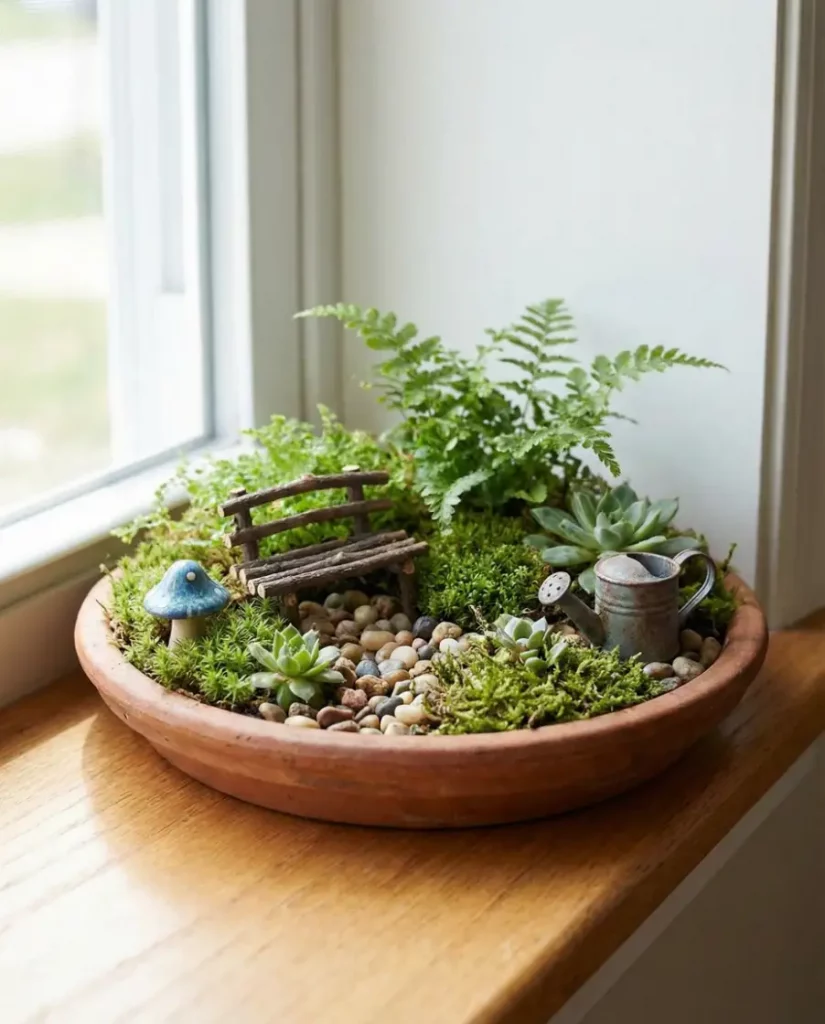
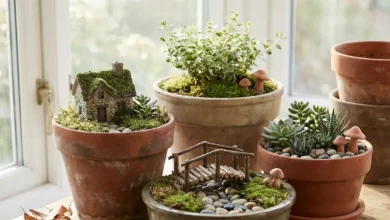
A Fairy garden brings whimsy to even the smallest spaces. Often built as a Miniature scene, it’s layered with tiny paths, mossy textures, and scaled-down plants. These gardens are especially popular as Inspiration creative projects for families and playful outdoor nooks.
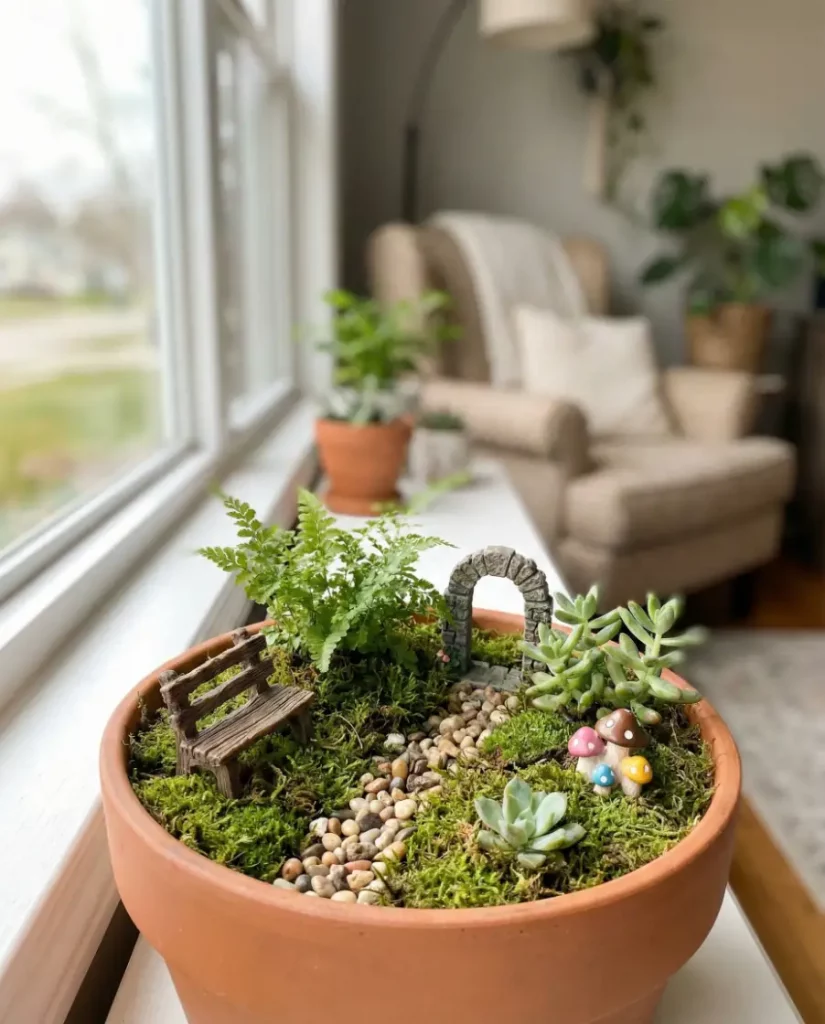
From a budget standpoint, these gardens are approachable—many people reuse containers, cuttings, and found objects rather than buying new materials.
6. Productive Vegetable Garden Layout
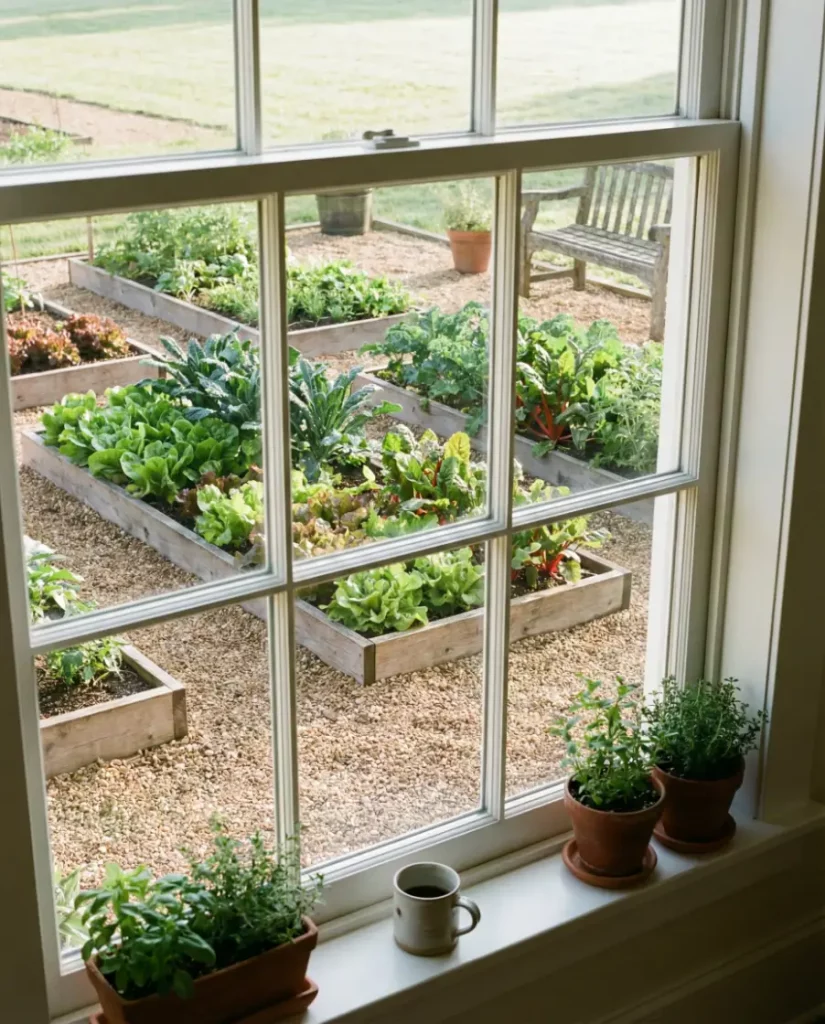
A thoughtful Vegetable garden in 2026 balances productivity with beauty. Raised beds, clean paths, and intentional spacing define a smart layout that makes it easier to grow a garden without feeling overwhelmed. It’s practical, but still Pinterest-worthy.
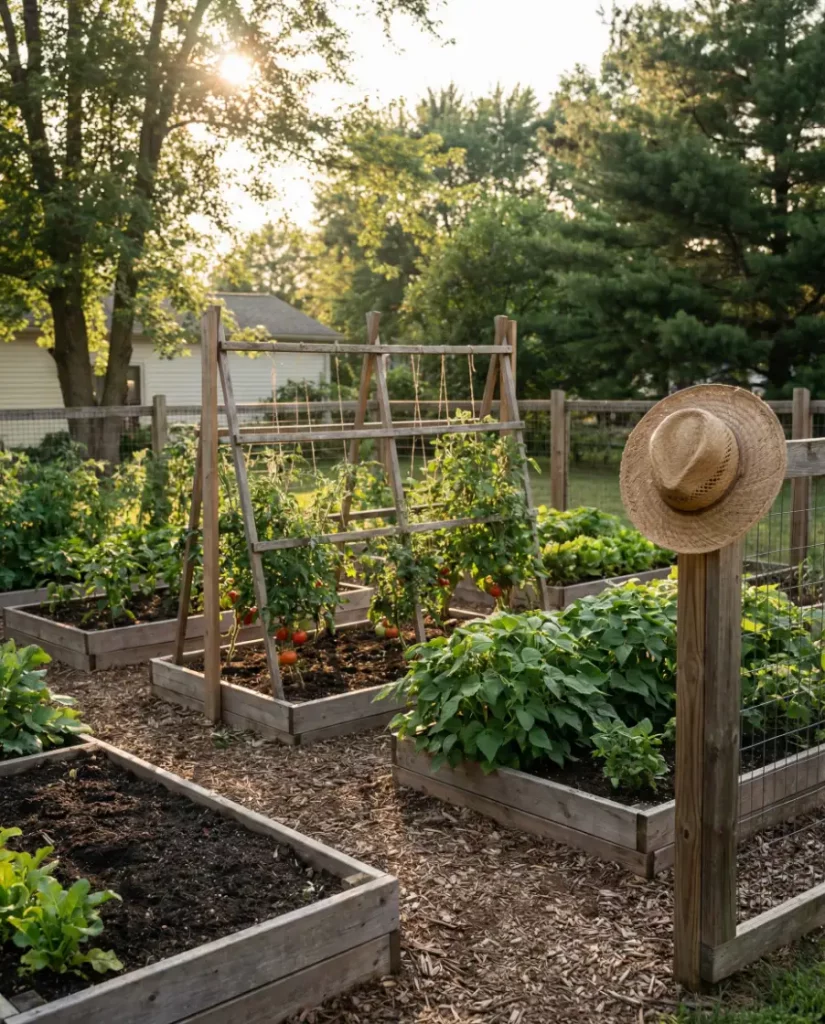
A common mistake is planting too much at once. Starting smaller allows better care, higher yields, and less burnout during peak growing season.
7. Rooftop Resortopia Garden
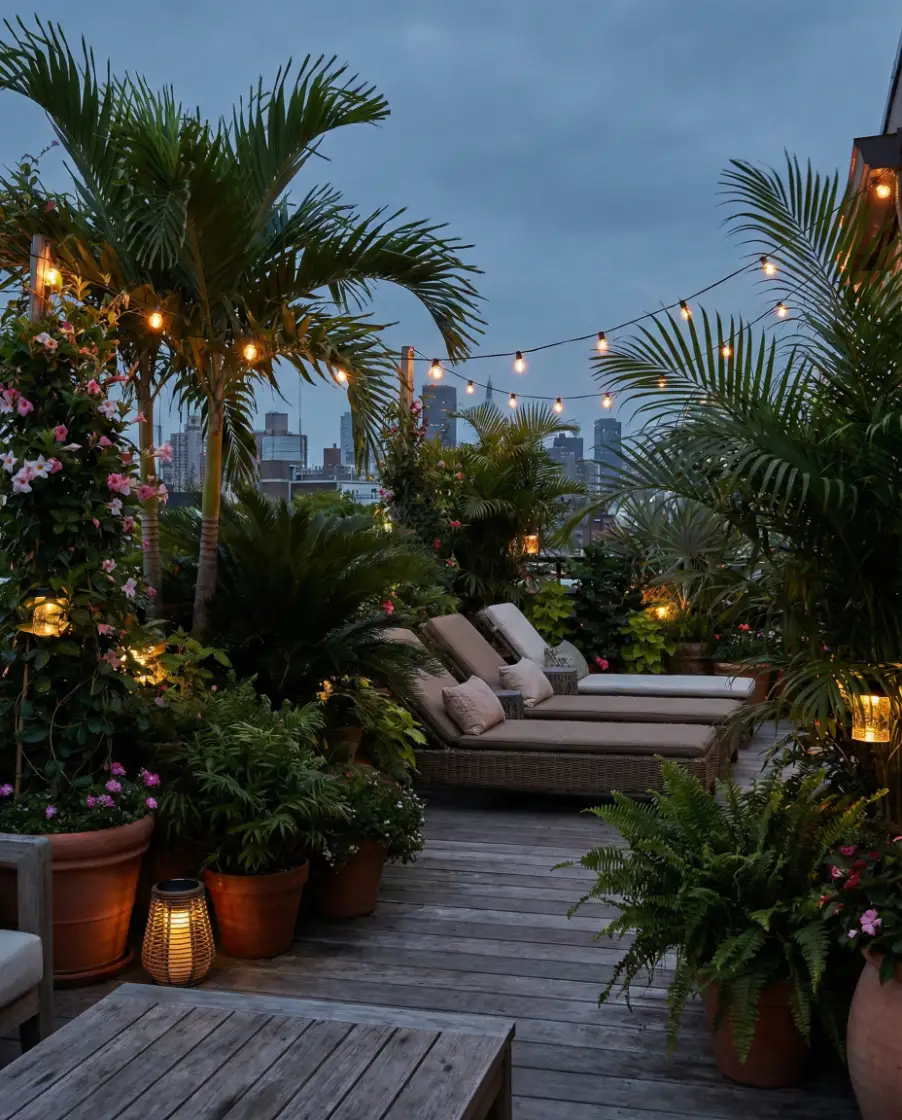
Urban living fuels the rise of the Roof top Resortopia garden. This style blends resort vibes with city views, using lush containers, lounge seating, and layered greenery. It transforms unused rooftops into personal escapes that feel far removed from the street below.
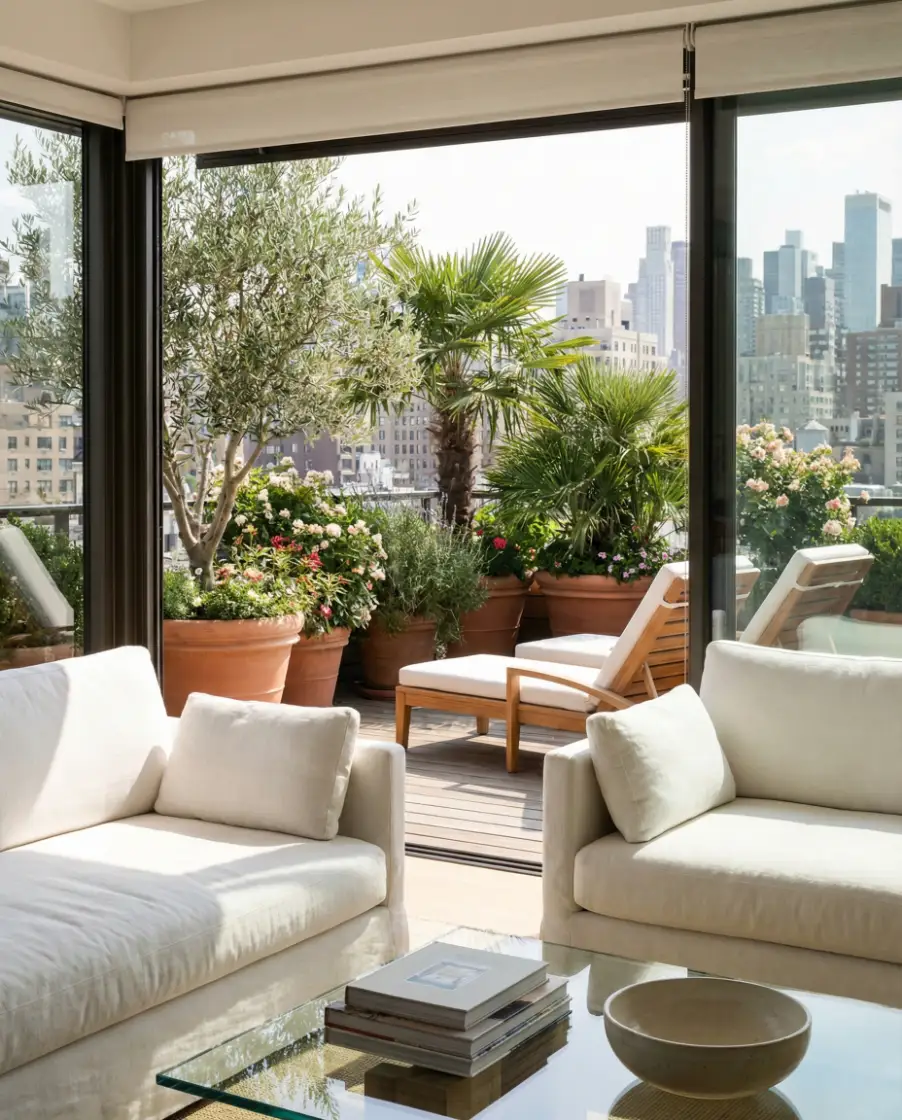
In dense cities like New York or Chicago, this approach reflects how Americans maximize every square foot for both relaxation and entertaining.
8. Budget-Friendly DIY Garden
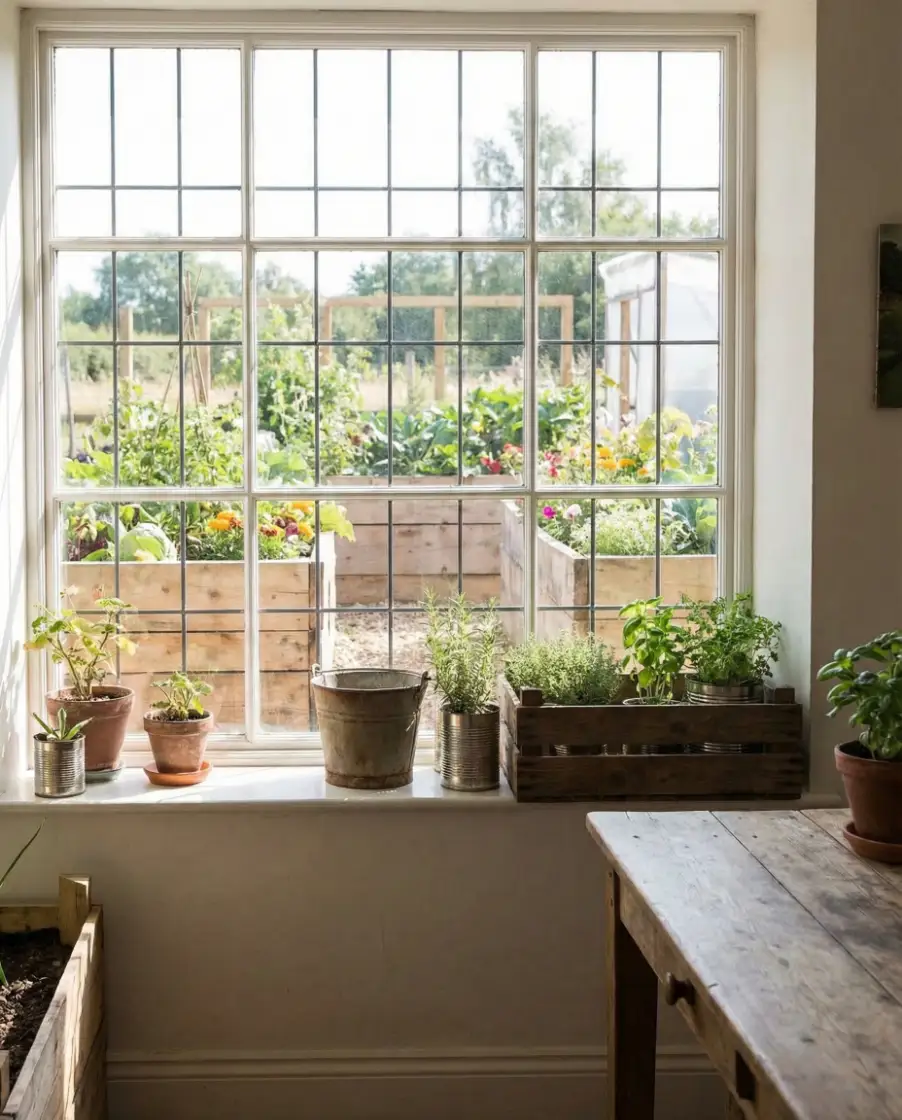
A garden on a budget doesn’t mean sacrificing style. This diy approach relies on simple materials, reused containers, and clever planting to create charm with minimal spend. It’s especially popular among renters and first-time homeowners looking for flexibility.
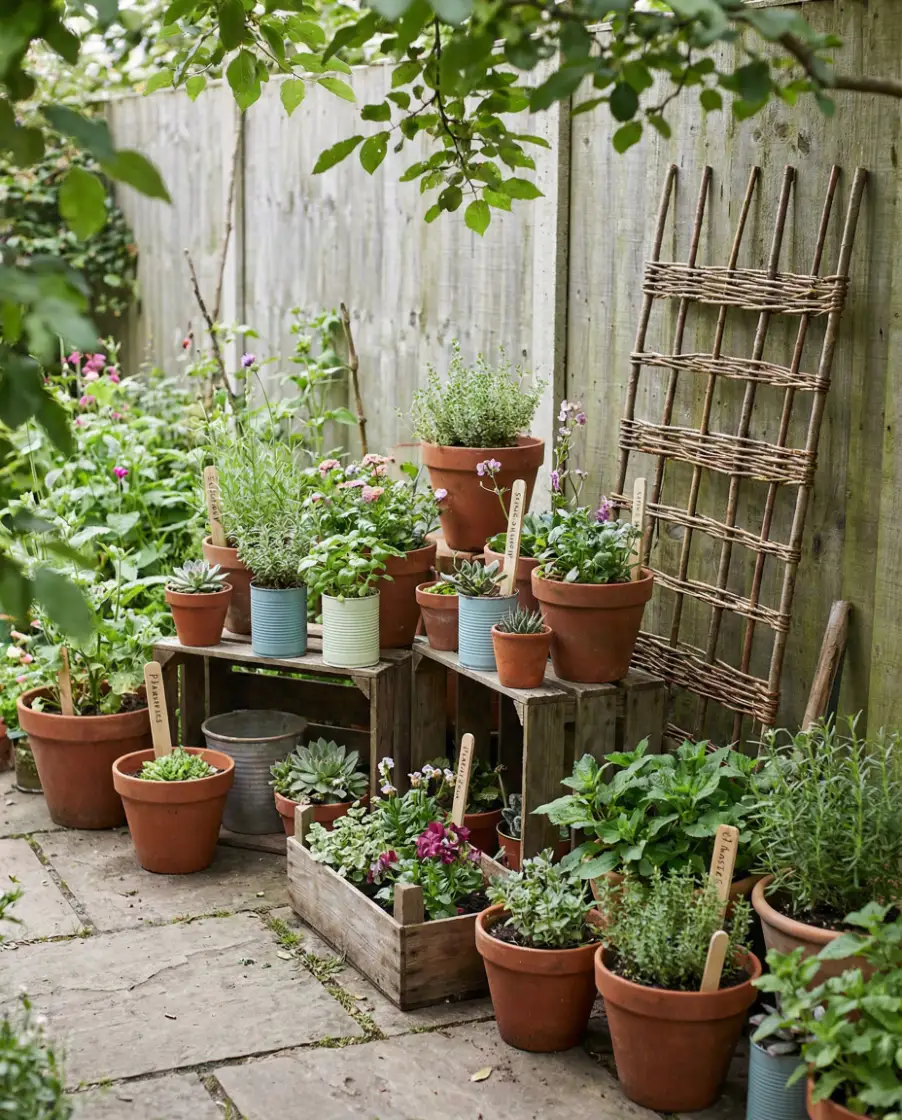
Many homeowners naturally evolve these gardens over time, adding pieces gradually rather than completing everything in one season.
9. Structured Flower Bed Layout
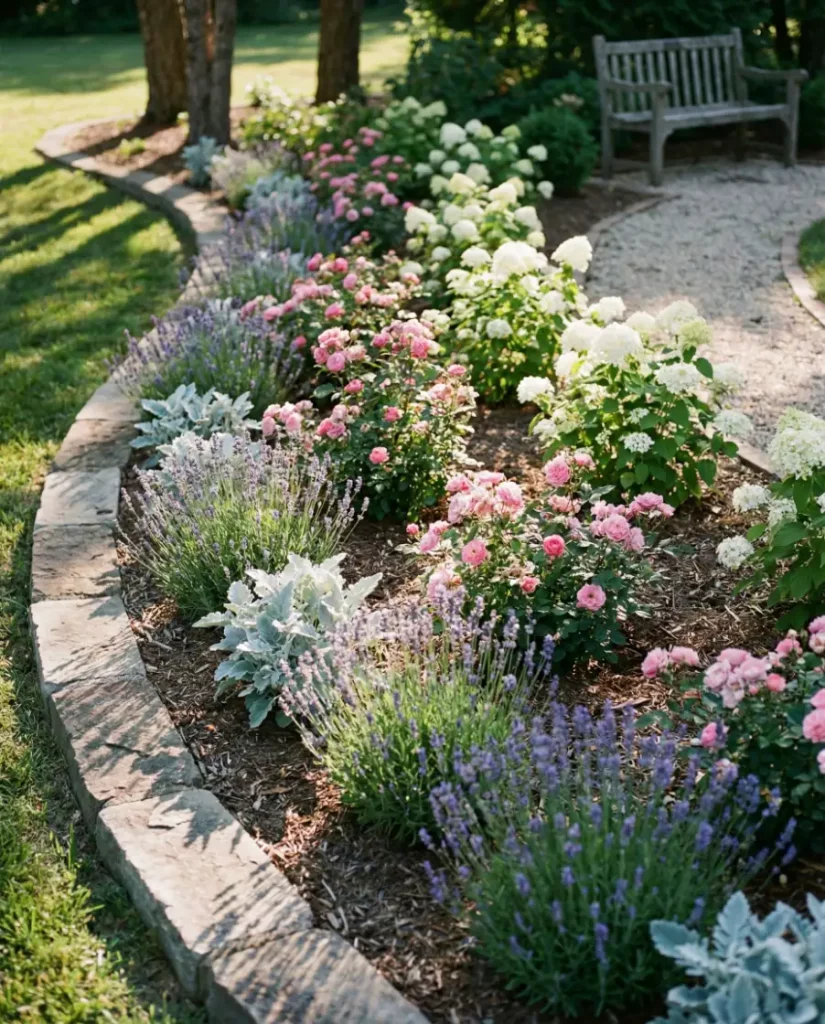
This idea focuses on layout backyard landscaping flower beds that feel organized but not rigid. Repeating shapes, defined edges, and thoughtful color flow help create strong inspiration for medium to large yards seeking balance.
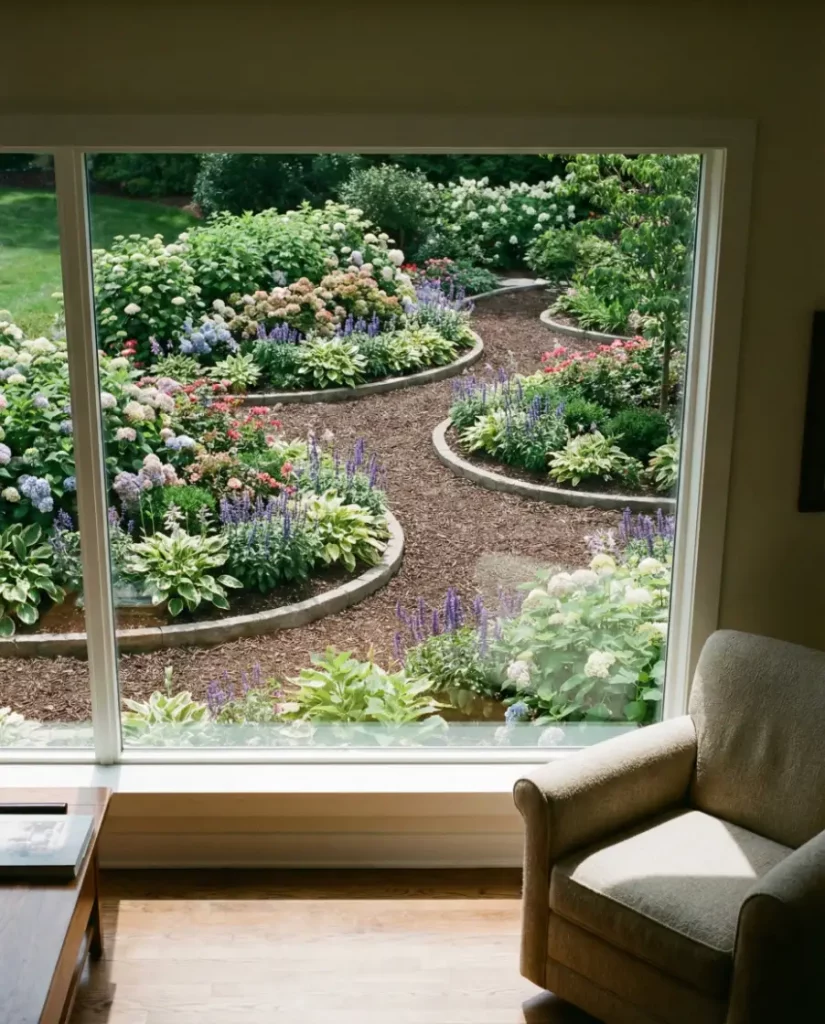
Experts recommend limiting plant varieties per bed; too many choices can make even well-shaped layouts feel chaotic.
10. Small Backyard Learning Garden
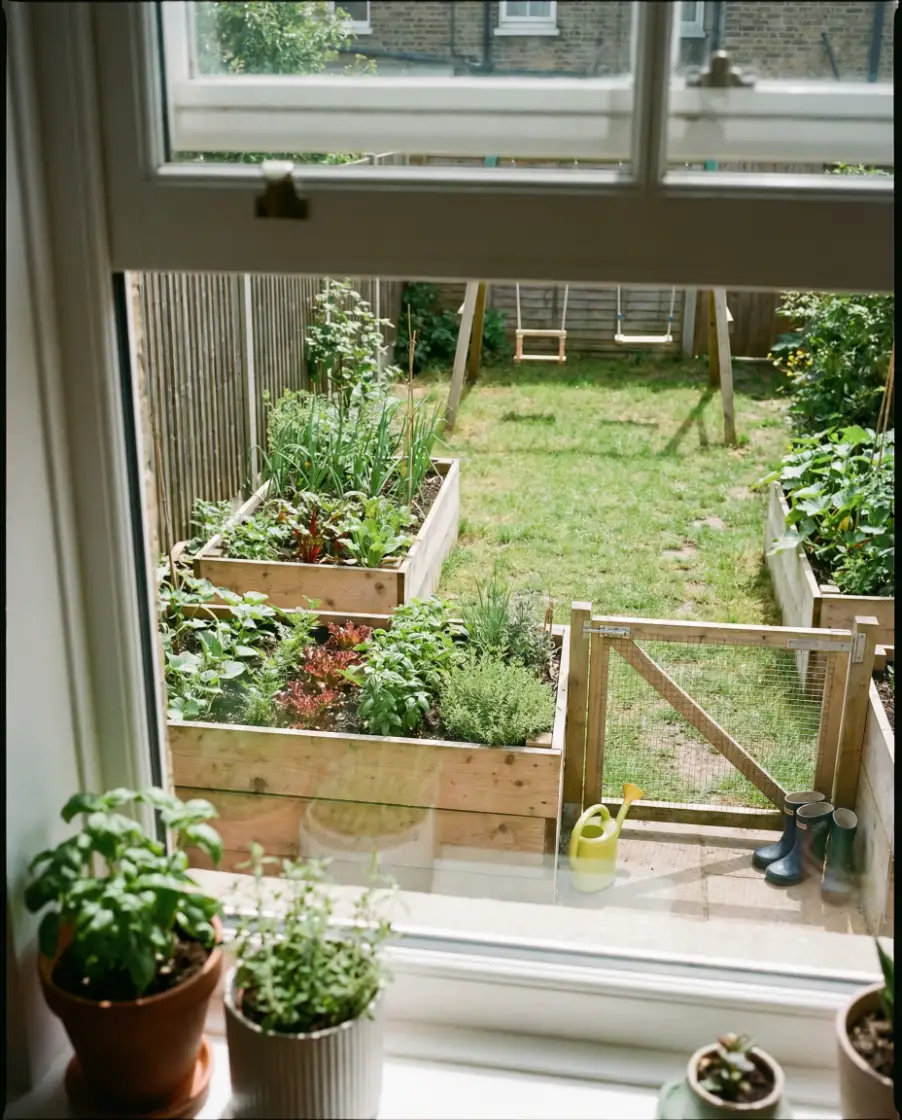
This concept blends a Small backyard with educational purpose. Often used for school project ideas, it combines simple beds, labels, and hands-on planting. The focus is on learning through doing, with space left open for observation and growth.
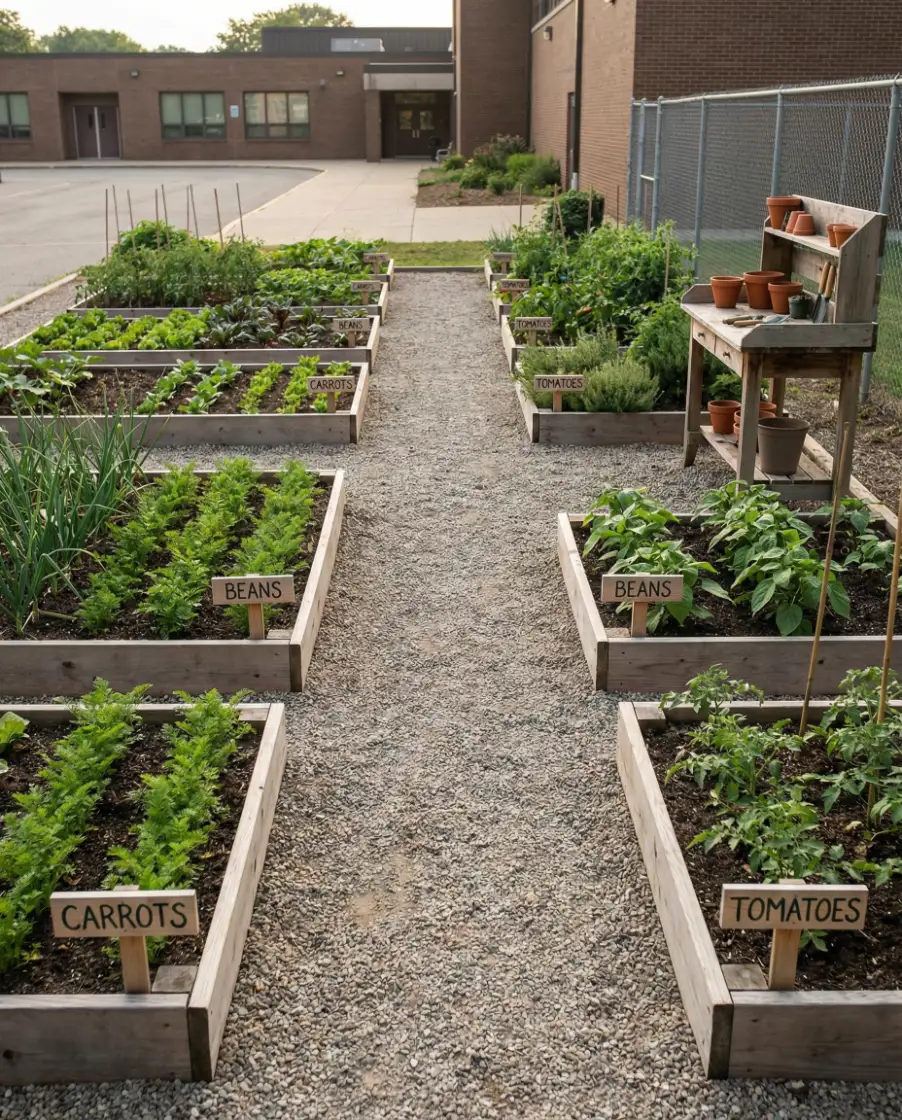
Keeping the design simple avoids overwhelm and makes it easier for beginners to stay engaged, especially when projects evolve over a single season.
11. Rose-Focused Classic Garden
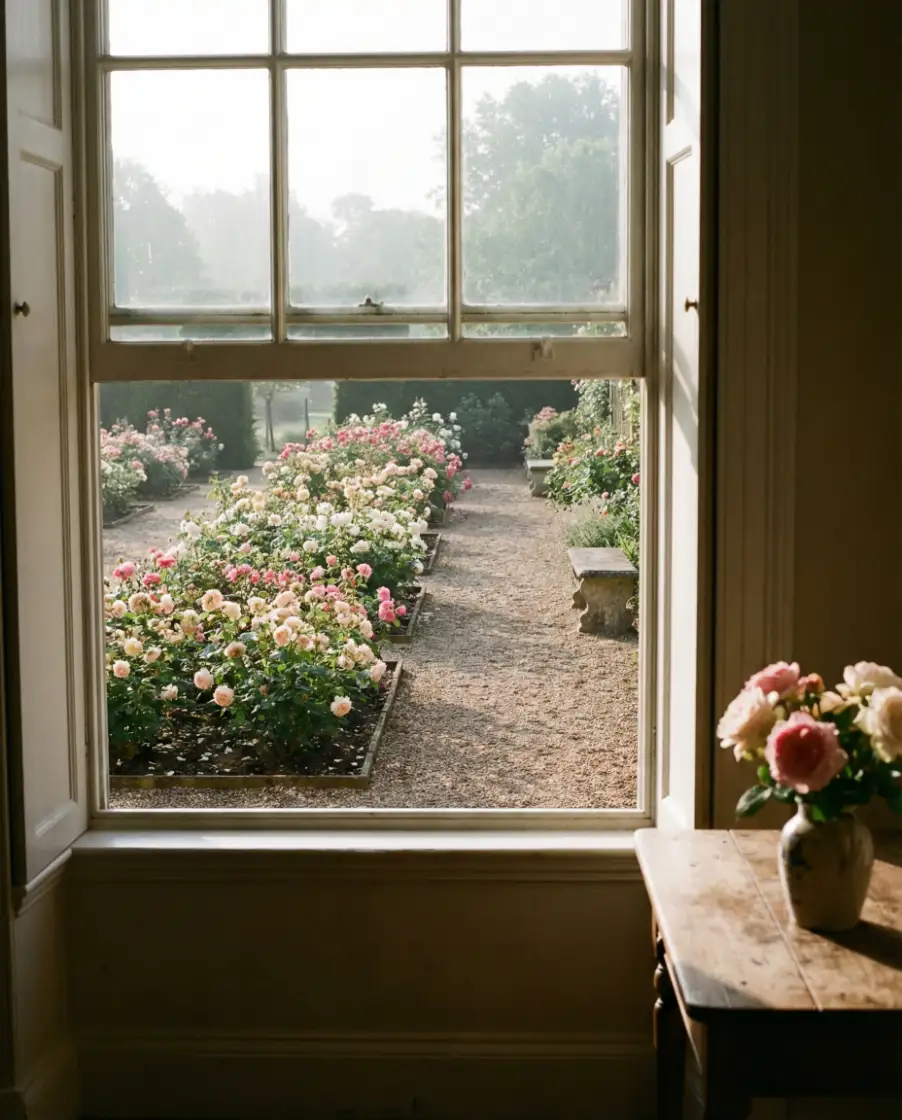
A garden centered on Rose plantings feels timeless yet fresh in 2026. Structured beds, climbing roses, and soft pathways create a romantic atmosphere that works beautifully for a Home garden setting. This style balances formality with softness, making it ideal for those who love tradition without stiffness.
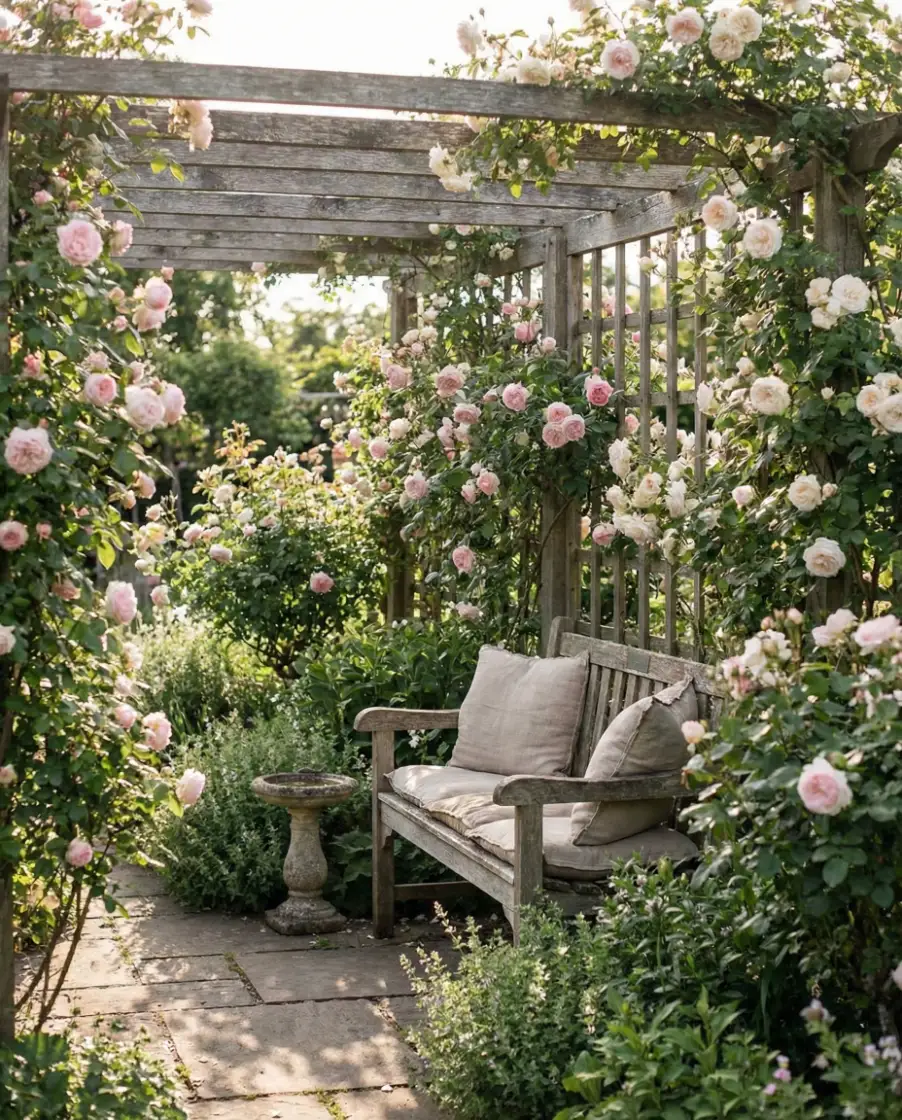
A practical insight is to choose disease-resistant rose varieties, which drastically reduce maintenance while keeping blooms healthy through the season.
12. Minimal Rock Garden Layout
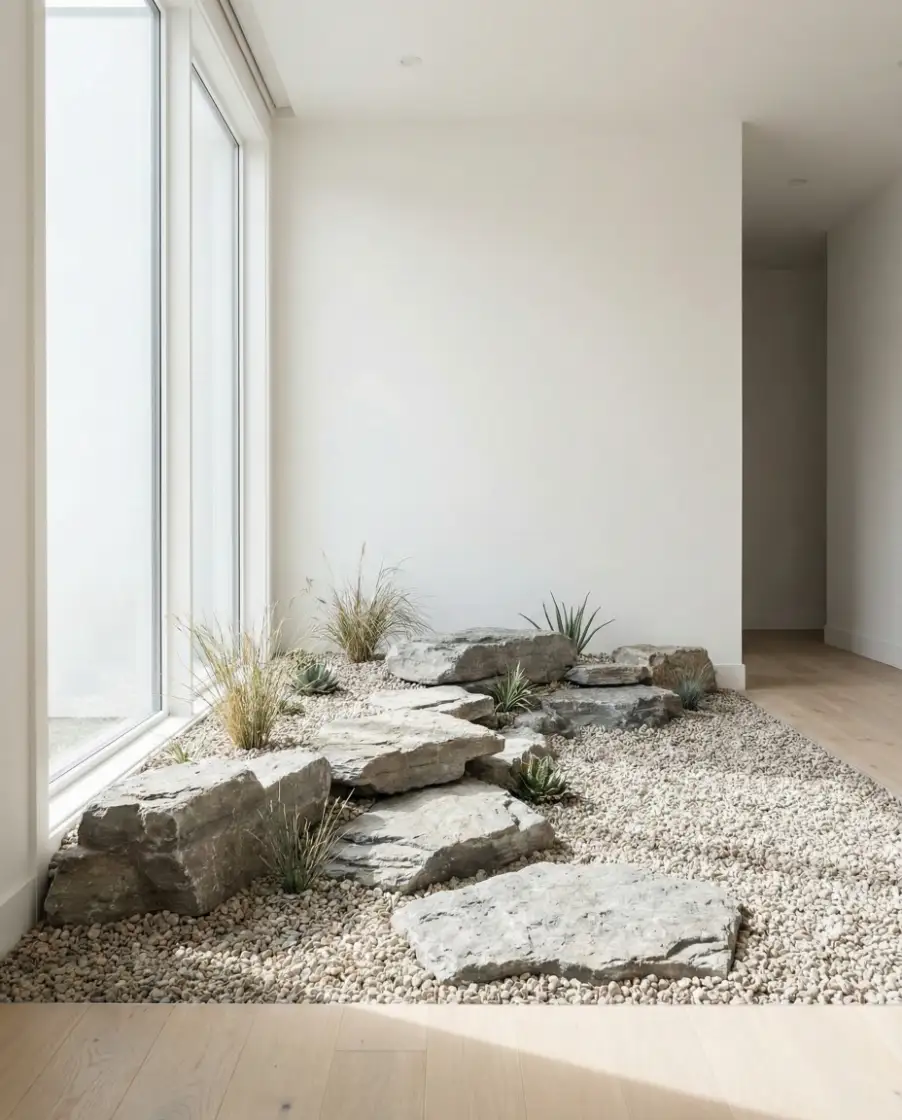
This Rock-based garden emphasizes texture over color, using stones, gravel, and sparse planting to define a strong layout. It suits modern homes and dry climates, offering a clean look that doesn’t rely on constant watering or pruning.
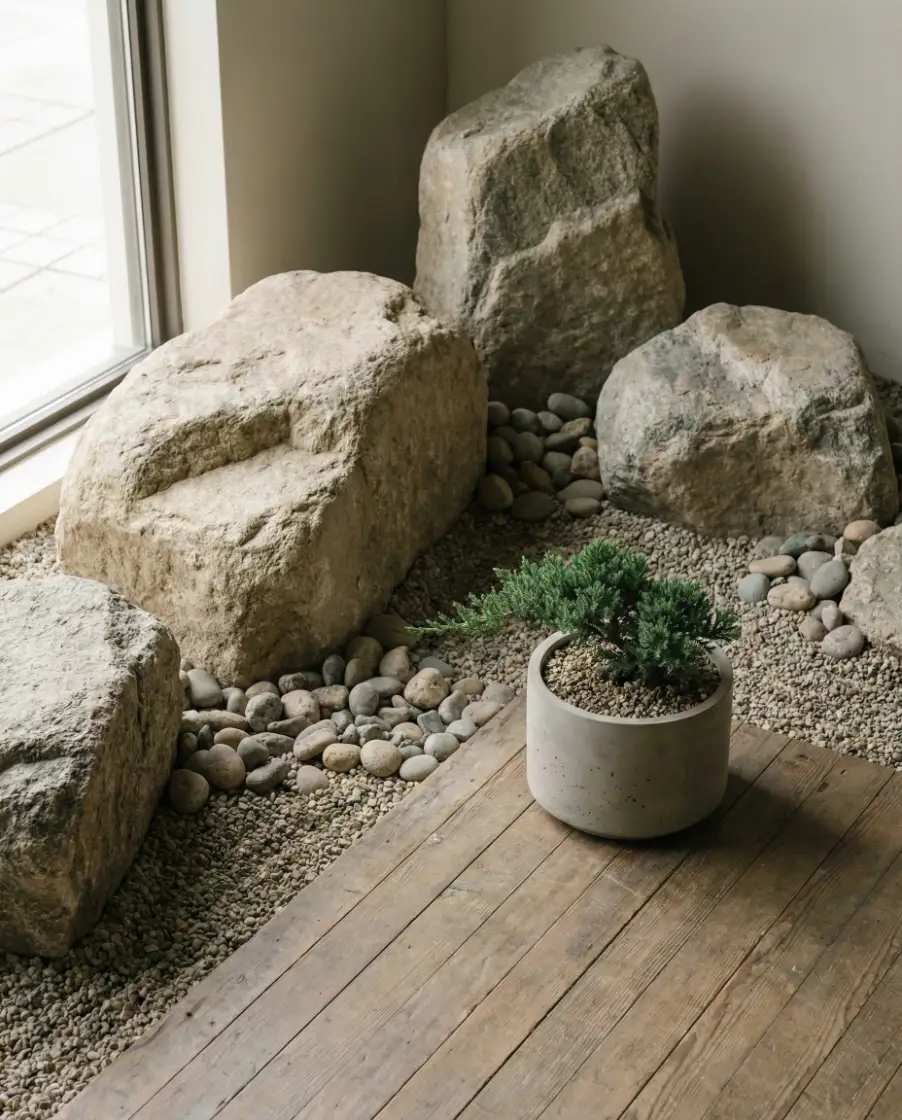
Where it works best is in arid or coastal regions, where water conservation is both practical and necessary.
13. Terrace Garden with Layered Greenery
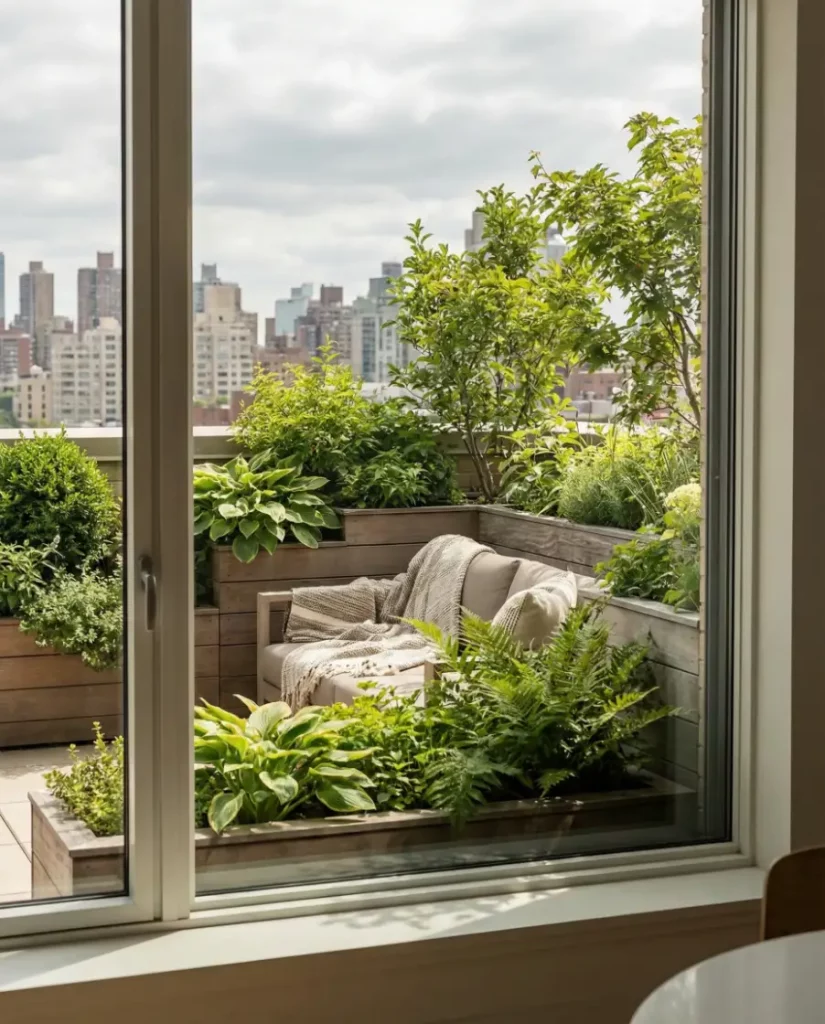
A Terrace garden uses vertical space creatively, layering plants at different heights to create depth. Containers, railing planters, and slim trees turn overlooked terraces into immersive green retreats without requiring ground soil.
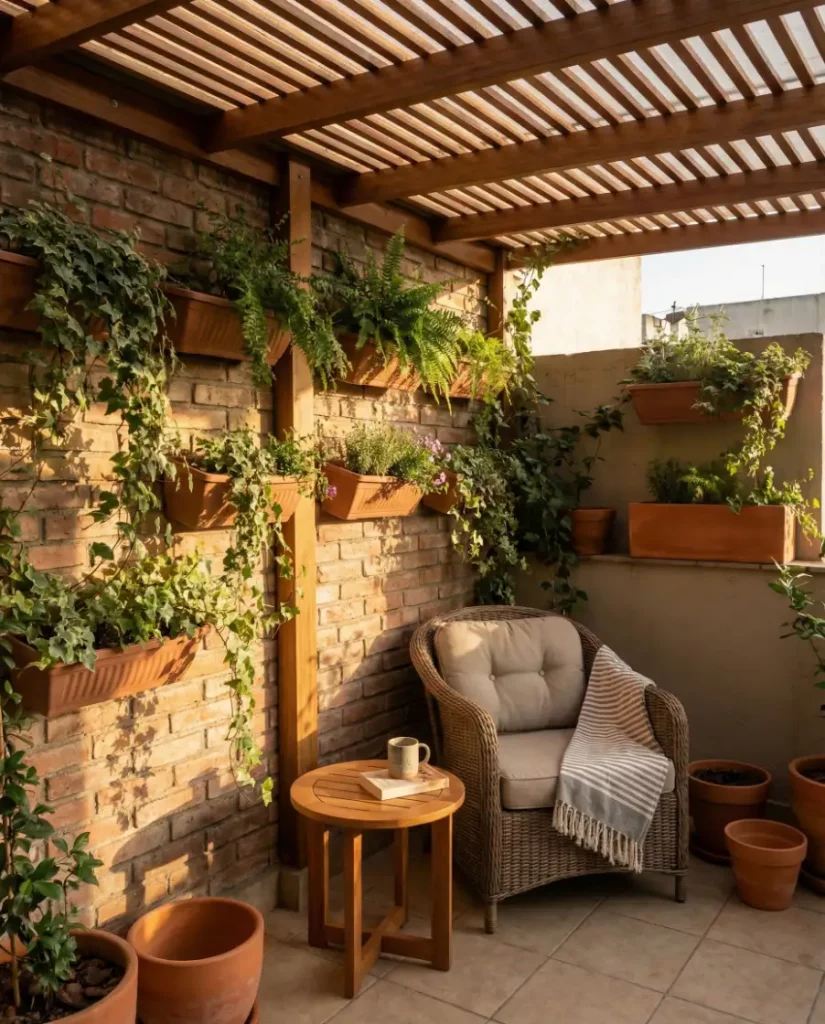
Many apartment dwellers naturally use this setup to unwind after work, treating it as an outdoor living room rather than a traditional garden.
14. Simple Zen-Inspired Backyard
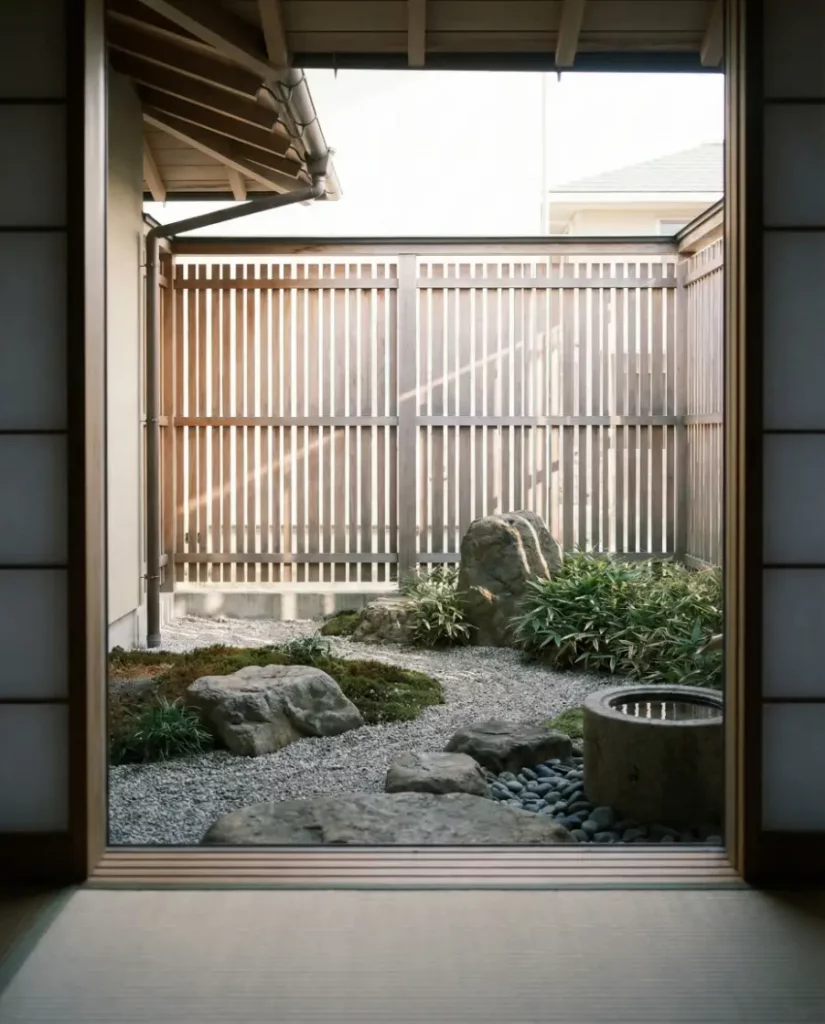
This simple backyard design borrows from Zen principles but keeps materials accessible. Clean pathways, limited plant choices, and open space create a calming environment that feels intentional without being strict.
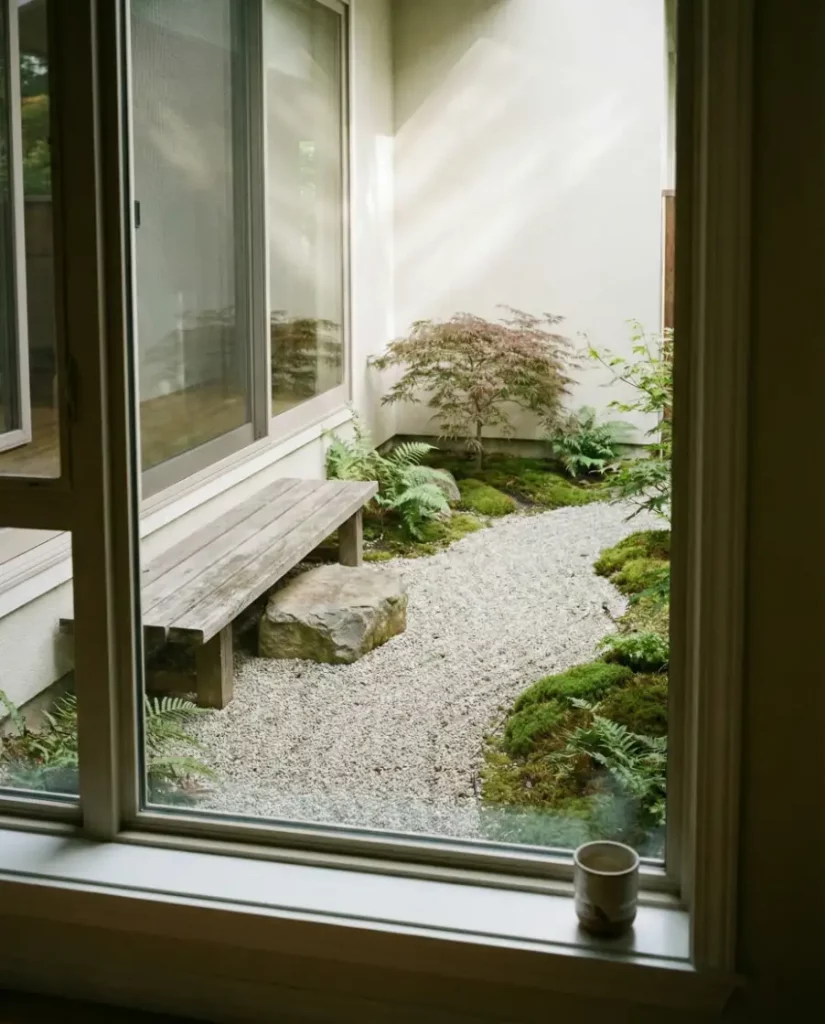
An expert-style note: restraint is key—adding too many elements quickly breaks the sense of calm this style relies on.
15. Medium-Sized Family Garden
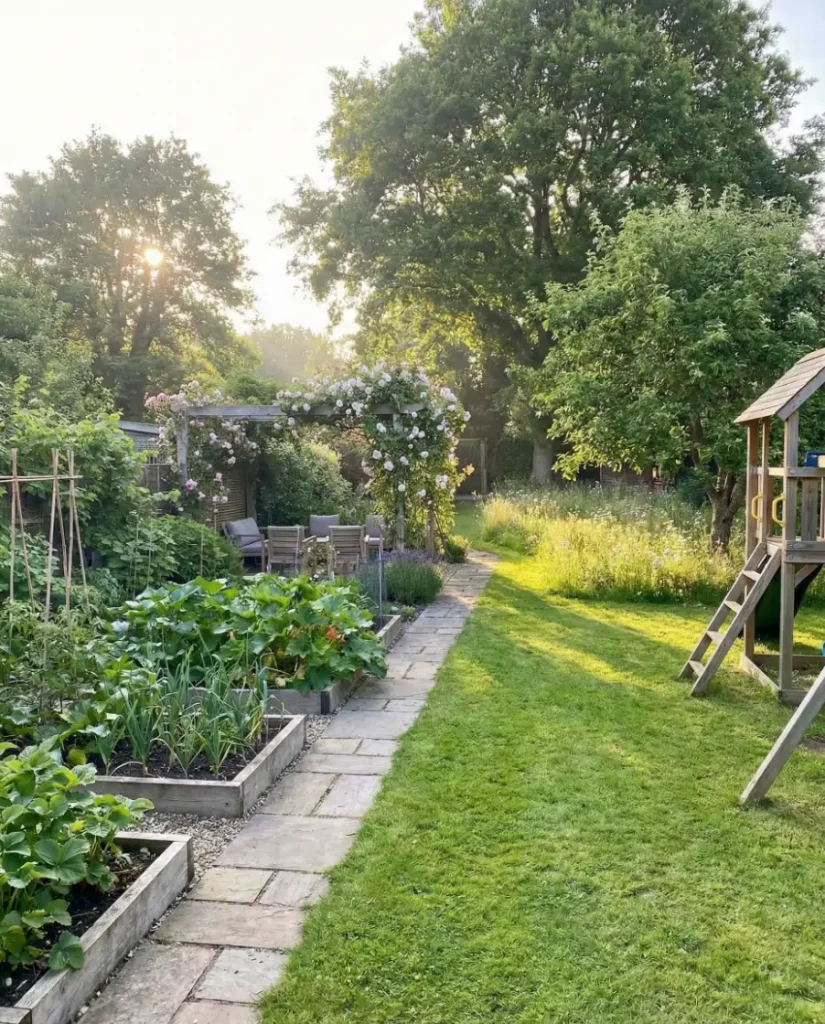
A Medium garden offers flexibility, combining open lawn, planting beds, and seating zones. It’s ideal for families who want room to relax, entertain, and experiment with planting without managing a large property.
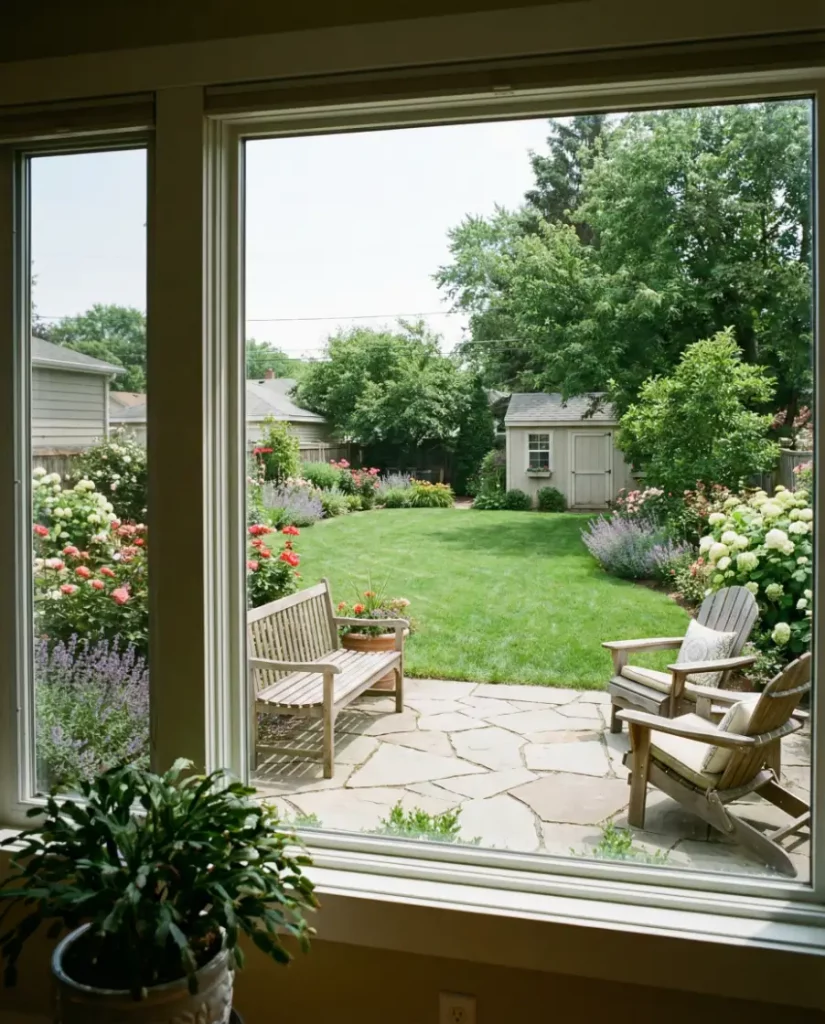
A common mistake is dividing the space into too many zones, which can make the garden feel smaller than it is.
16. Small Backyard with Vertical Planting
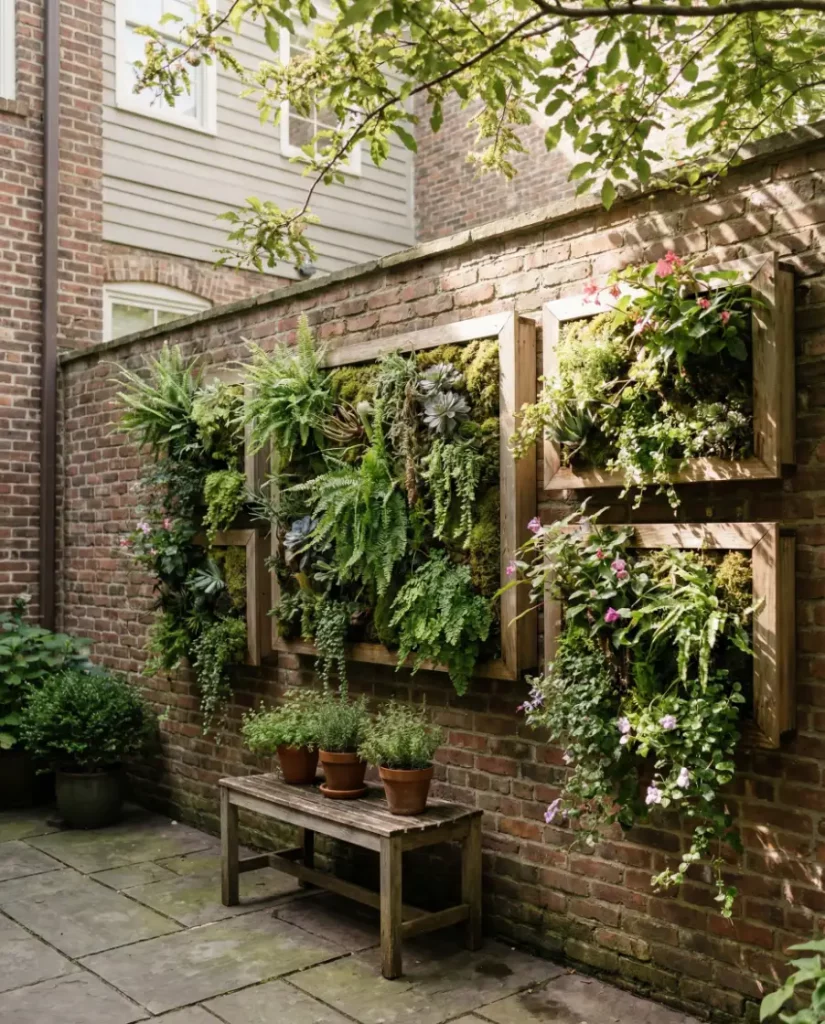 This Small backyard solution focuses on walls, fences, and trellises to maximize planting. Vertical gardens free up floor space while adding lushness, making compact yards feel more immersive.
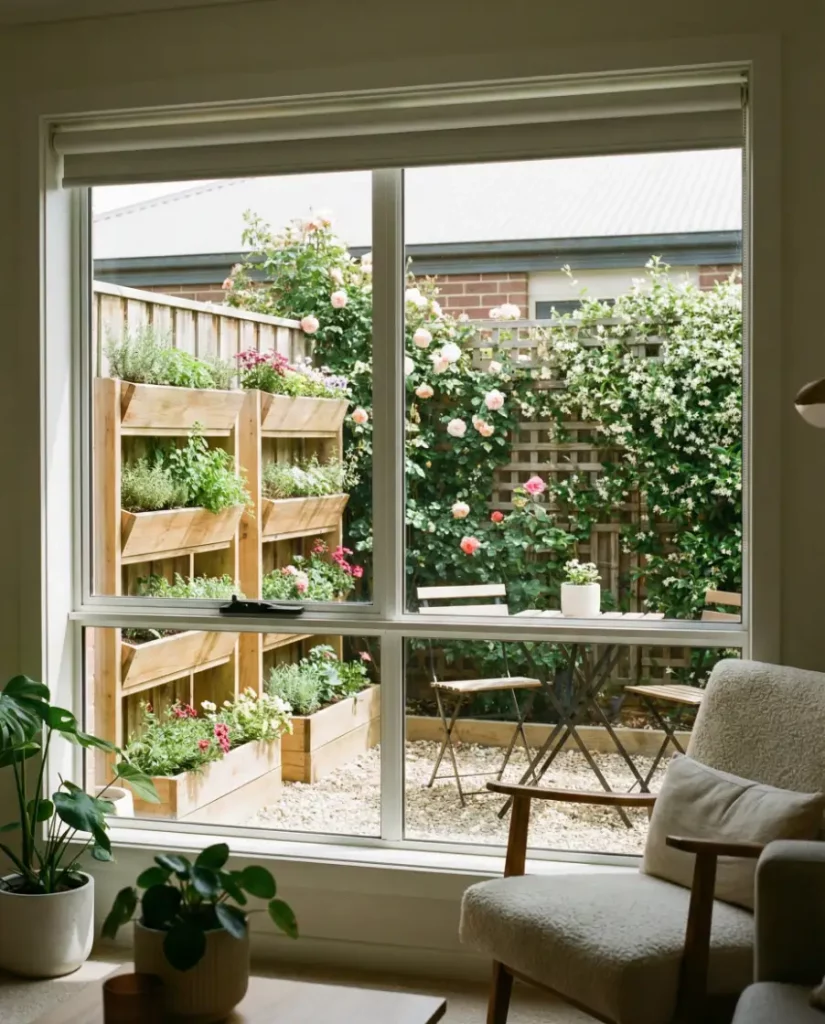
From a budget angle, DIY trellises and wall-mounted planters keep costs low while delivering big visual impact.
17. UK-Inspired Natural Garden
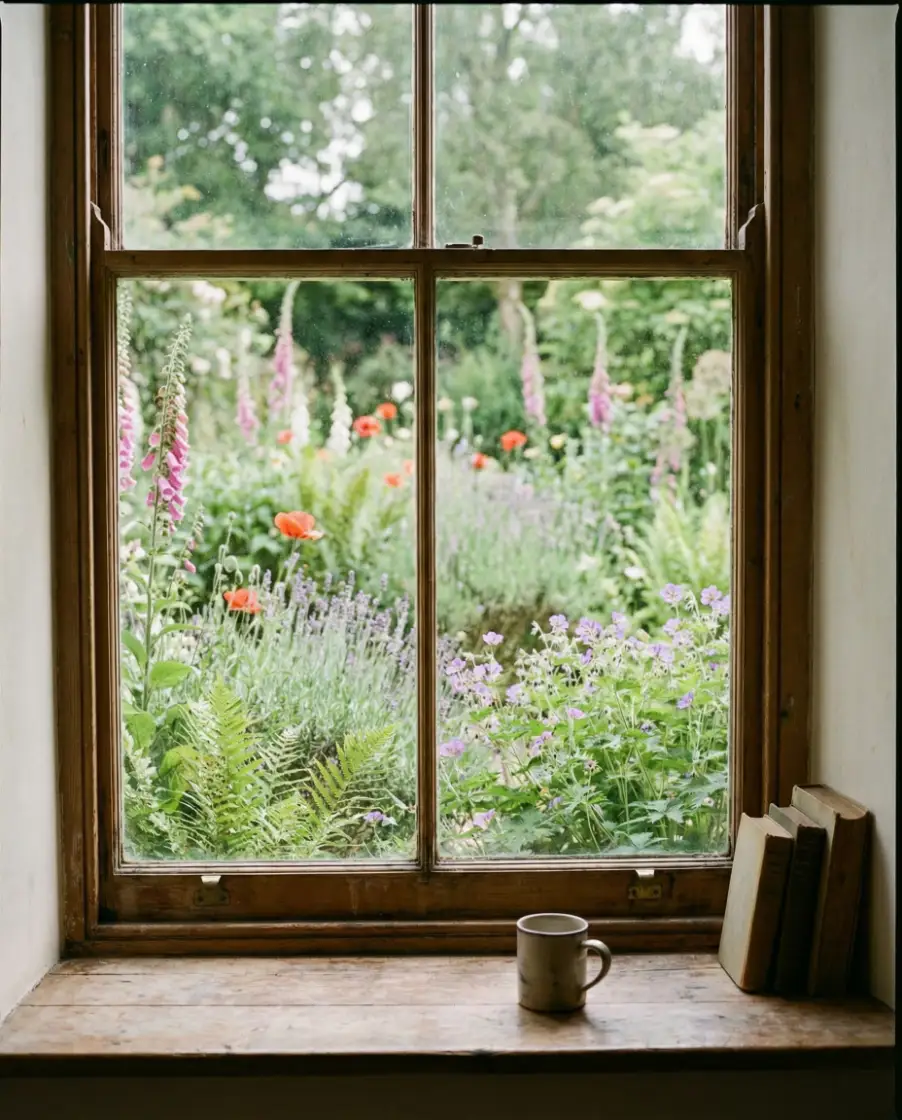
This uk-inspired garden leans into loose structure, mixed planting, and seasonal change. It feels organic and slightly untamed, favoring movement and texture over sharp lines.
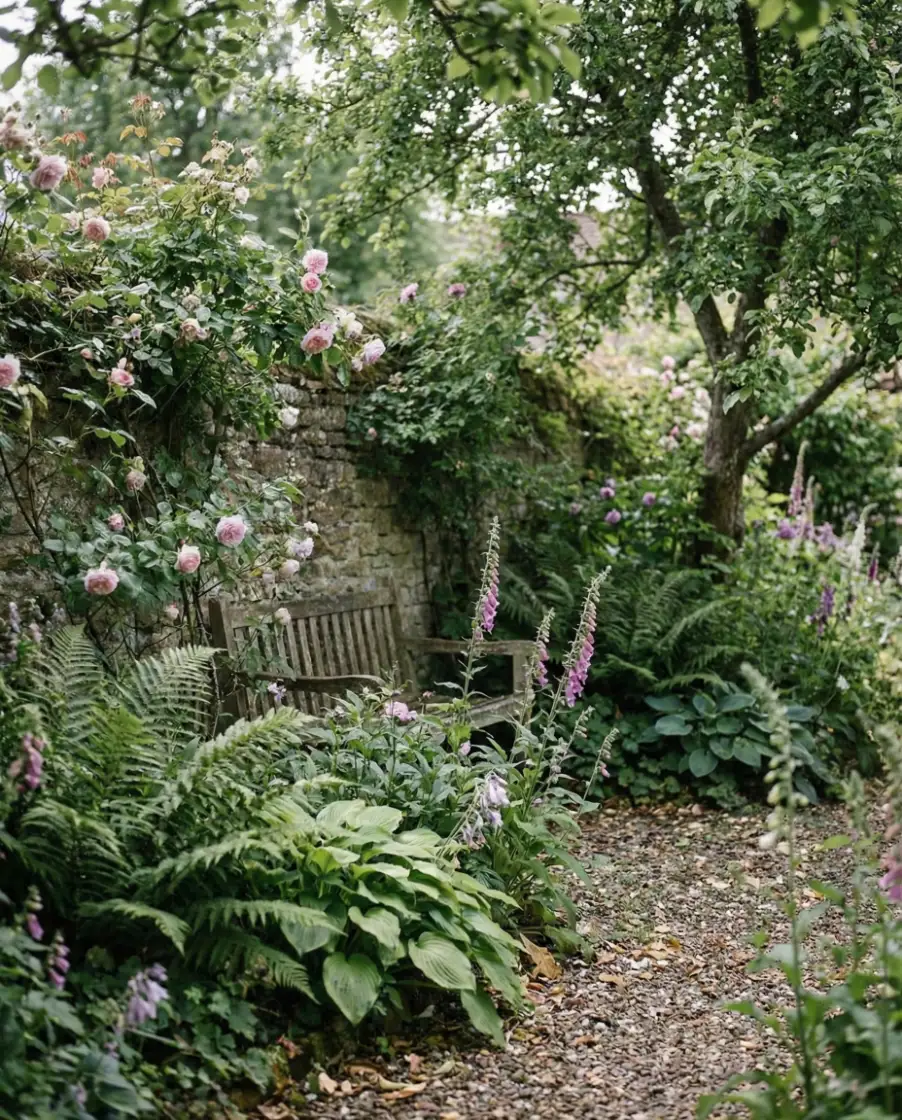
Homeowners often appreciate how forgiving this style is, allowing plants to self-seed and evolve naturally.
18. Garden as Visual Inspiration Space
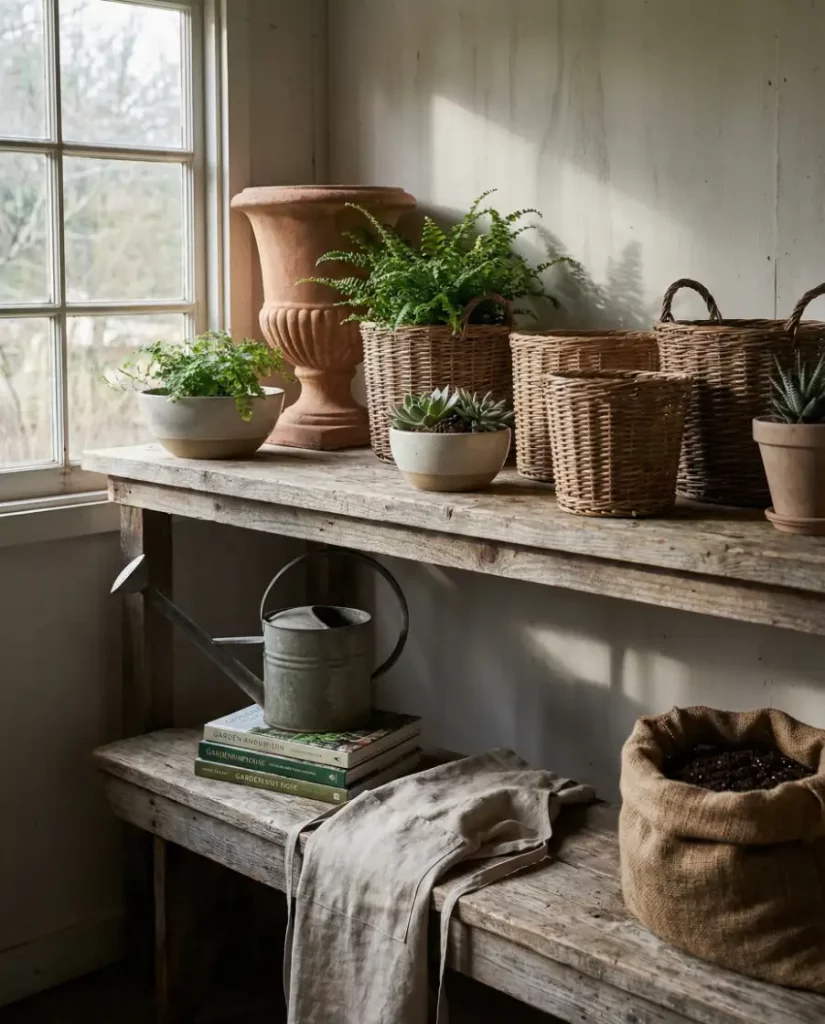
Inspiration zone, this garden prioritizes mood over function. Sculptural plants, statement pots, and curated views make it a place to think, sketch, or simply pause.
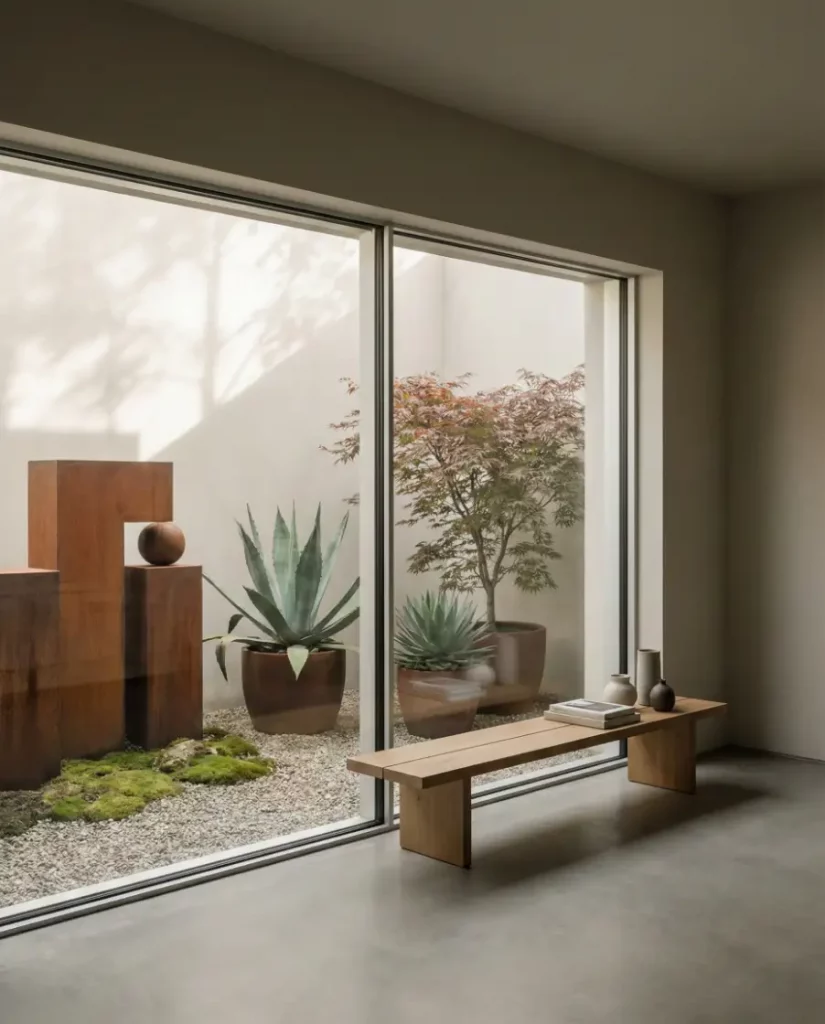
Where it works best is in quiet corners of the yard where visual focus isn’t interrupted by heavy foot traffic.
19. Grow-Your-Own Starter Garden
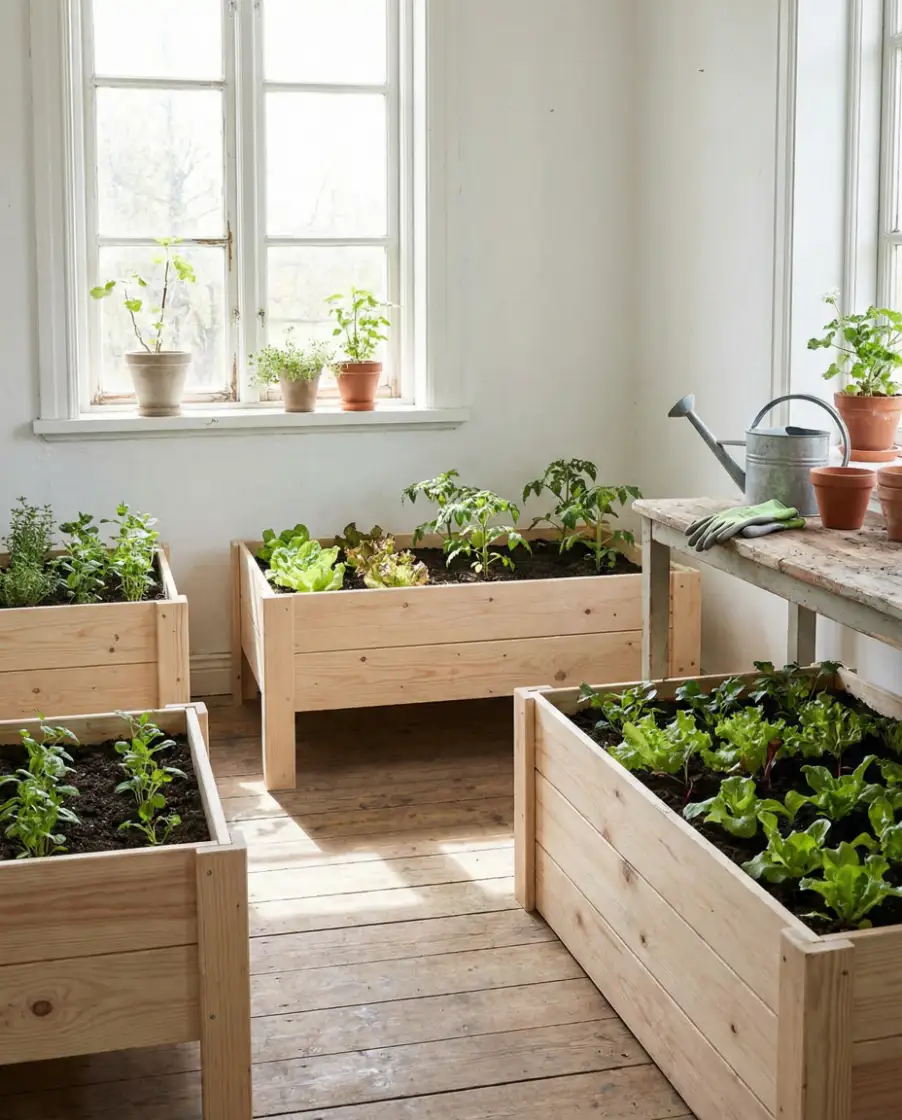
This beginner-friendly setup encourages people to grow a garden with confidence. Simple beds, easy crops, and clear spacing reduce overwhelm while delivering quick rewards.
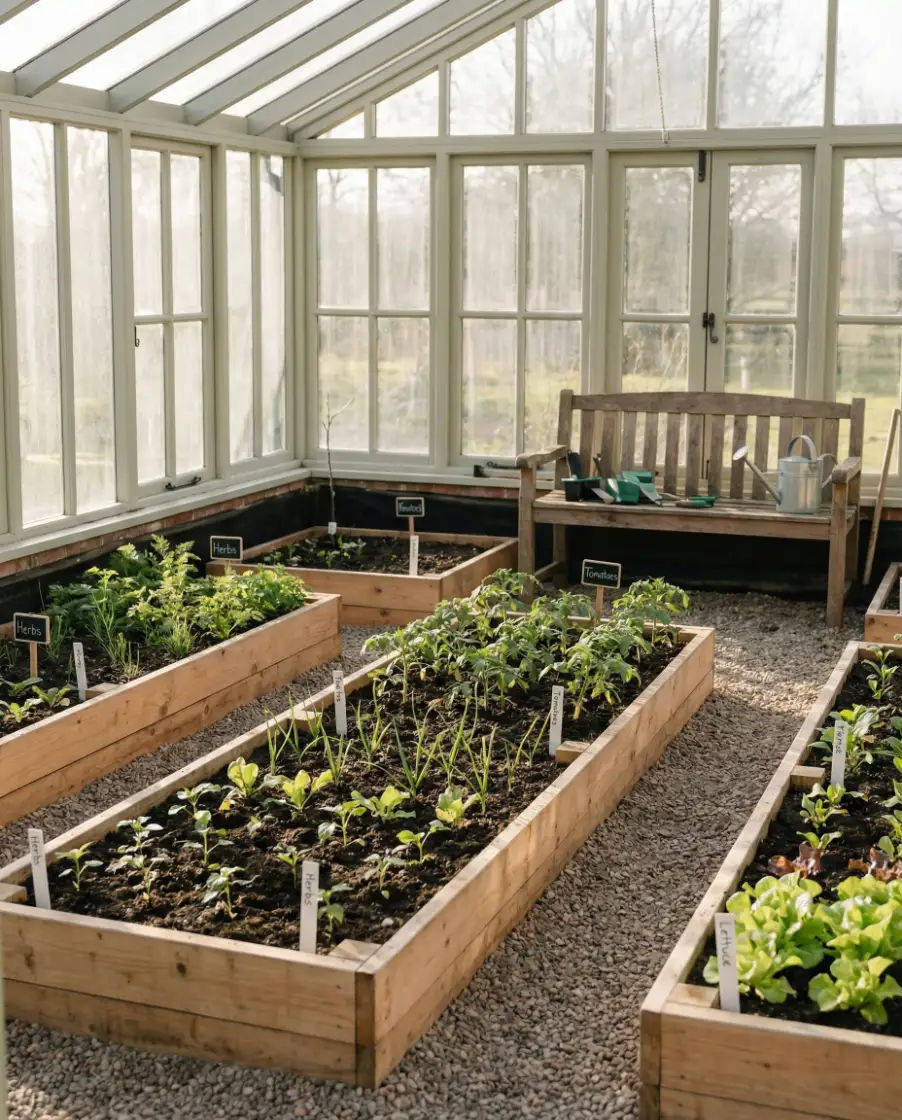
A micro anecdote: many first-time gardeners say their confidence grows faster than the plants once they see early success.
20. Garden Planning Through Drawing
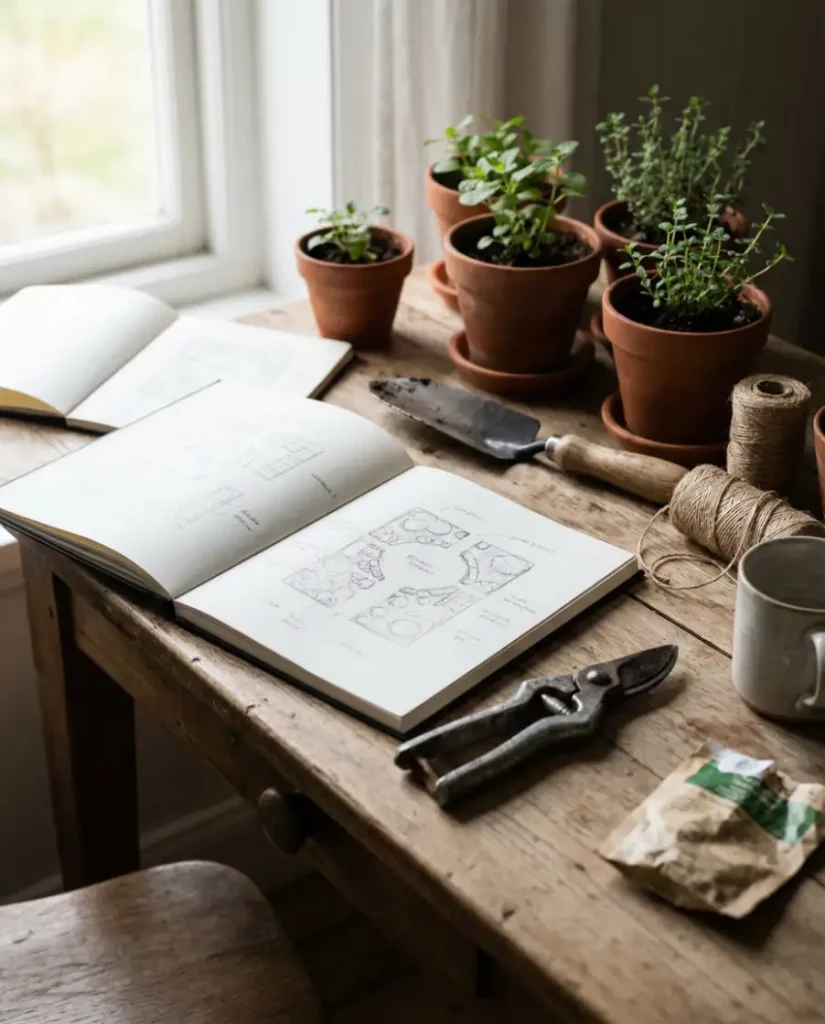
drawing as part of garden planning helps visualize flow, scale, and planting before committing. This method is popular for those who enjoy hands-on creativity and want fewer surprises during installation.
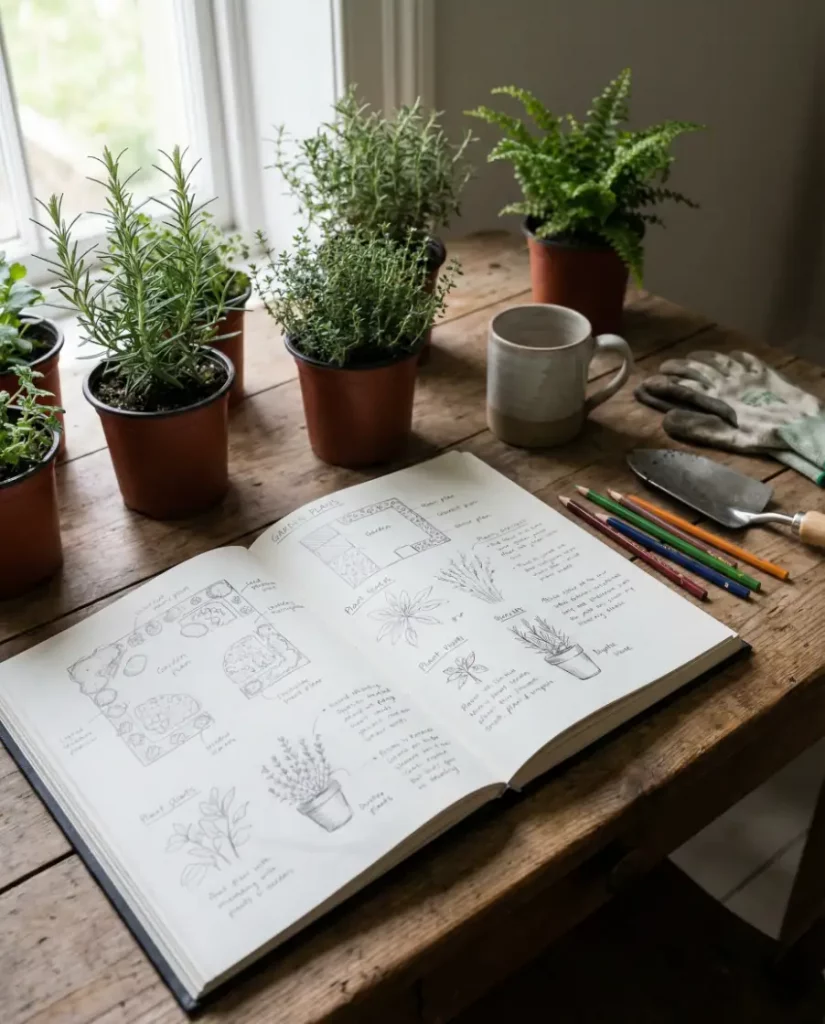
A practical takeaway is that even rough sketches prevent costly mistakes once planting and hardscaping begin.
21. Front Yard Welcome Garden
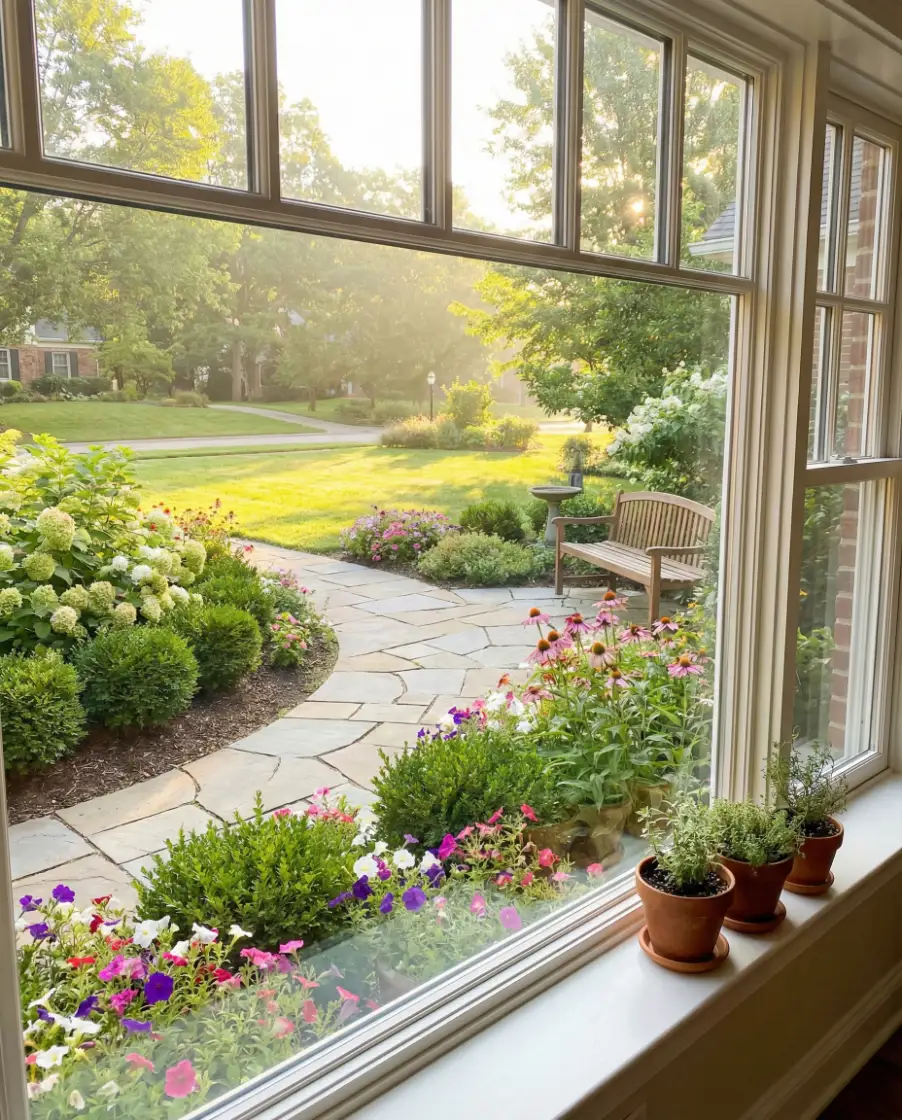
A thoughtfully designed Front and Front yard garden in 2026 focuses on approachability rather than perfection. Soft plant layers, clear walkways, and seasonal interest create a welcoming first impression without feeling overdesigned. This style works well for suburban homes where the front space sets the tone for daily life.
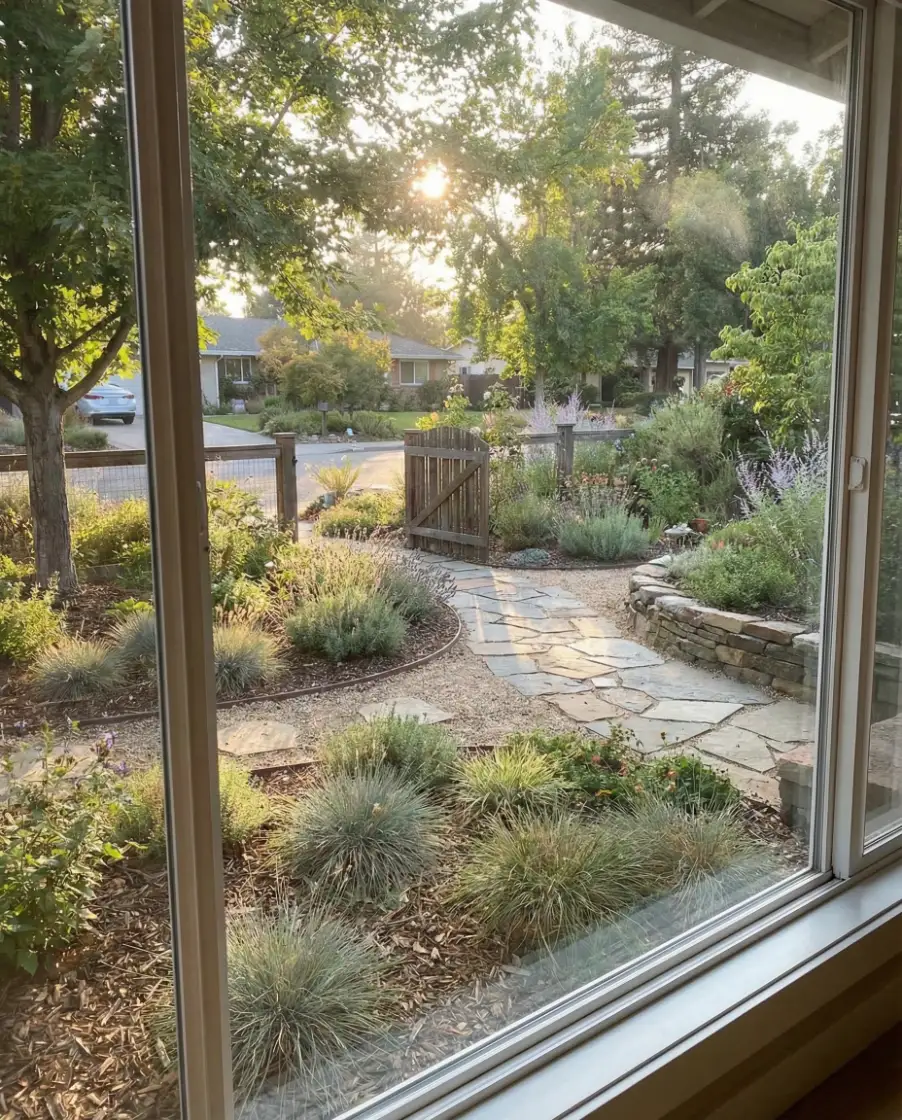
An American lifestyle note: homeowners often prefer front gardens that look polished but don’t require daily attention, making low-maintenance perennials a smart choice.
22. Layout-Driven Backyard Retreat
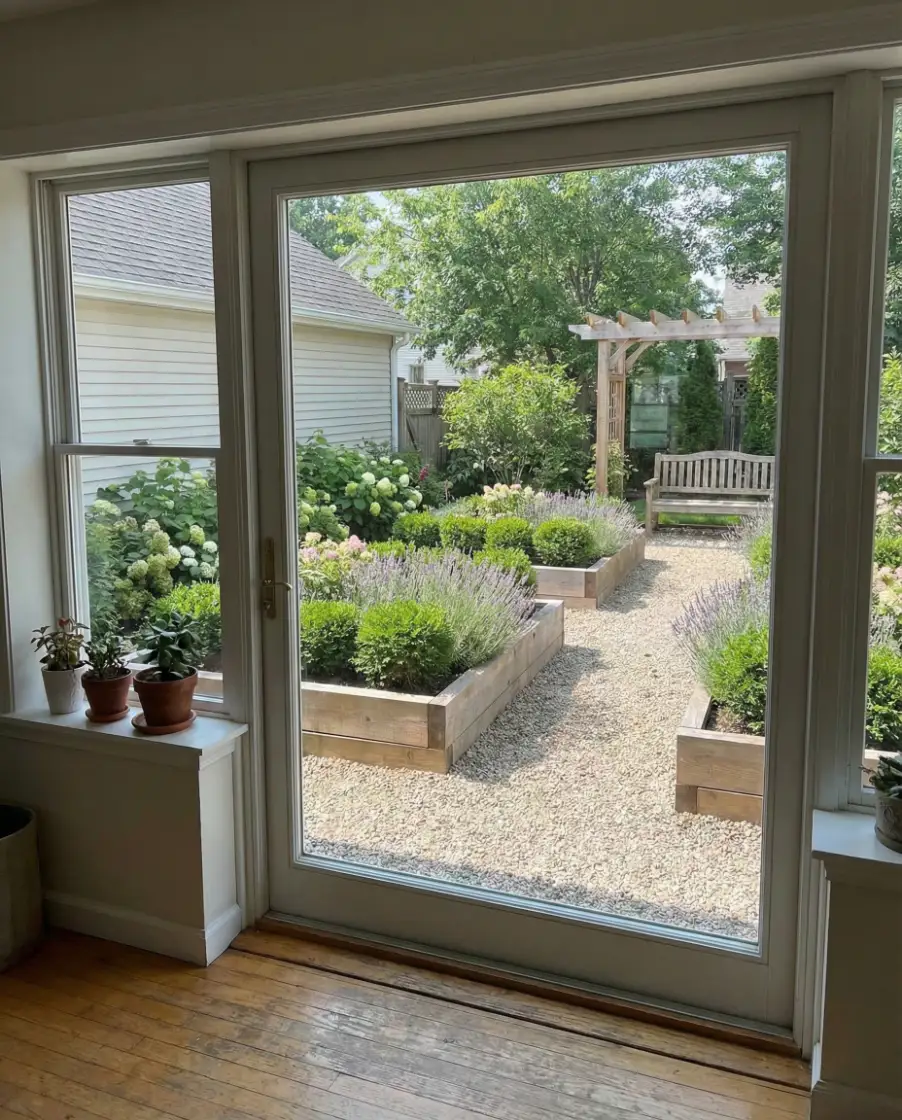
This idea starts with a clear Layout backyard landscaping flower beds approach, organizing the yard into calm, usable zones. Defined edges, repeated shapes, and intentional spacing guide movement while allowing planting to feel relaxed rather than rigid.
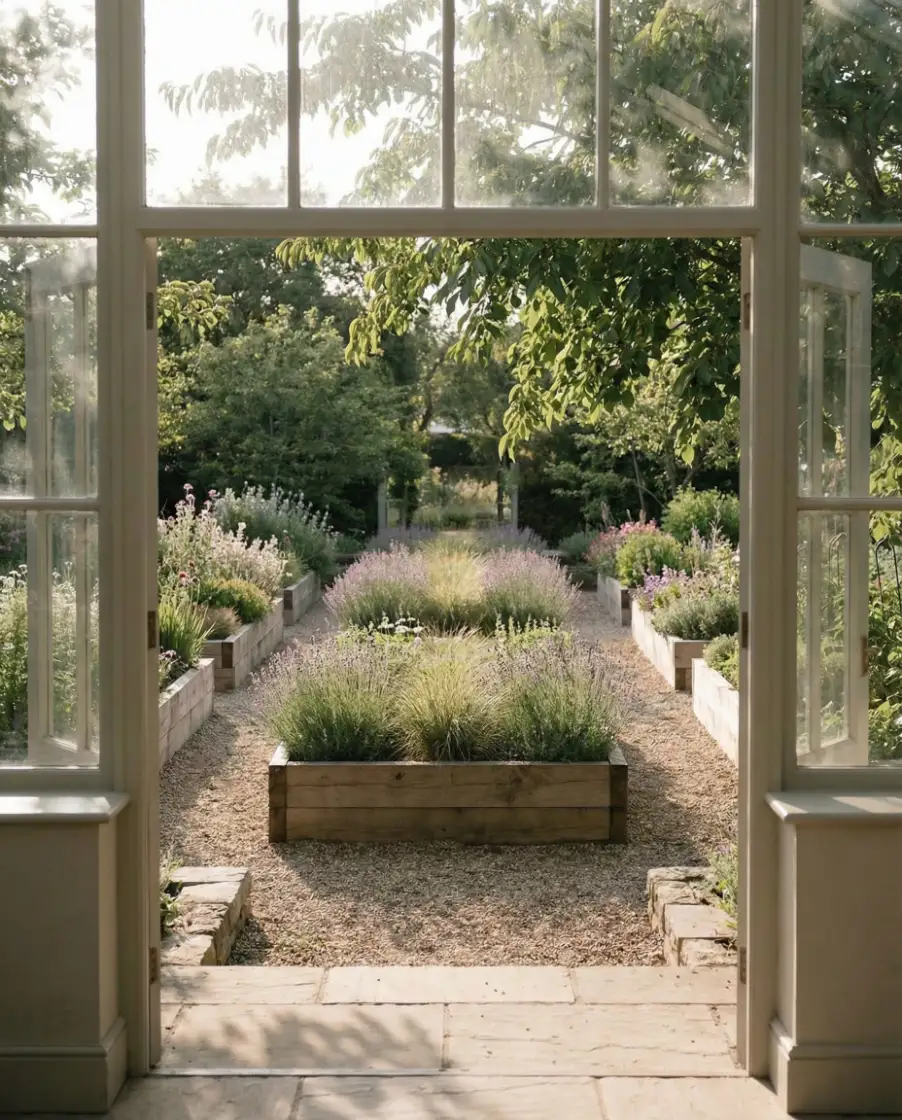
A common mistake is ignoring scale—beds that are too narrow often look unfinished, so slightly wider borders help the design feel intentional and complete.
Garden design in 2026 is less about rules and more about intention. Whether you’re dreaming big or starting small, these ideas are meant to spark experimentation. Share which style speaks to you most—or how you’ve adapted one of these ideas at home—in the comments below.